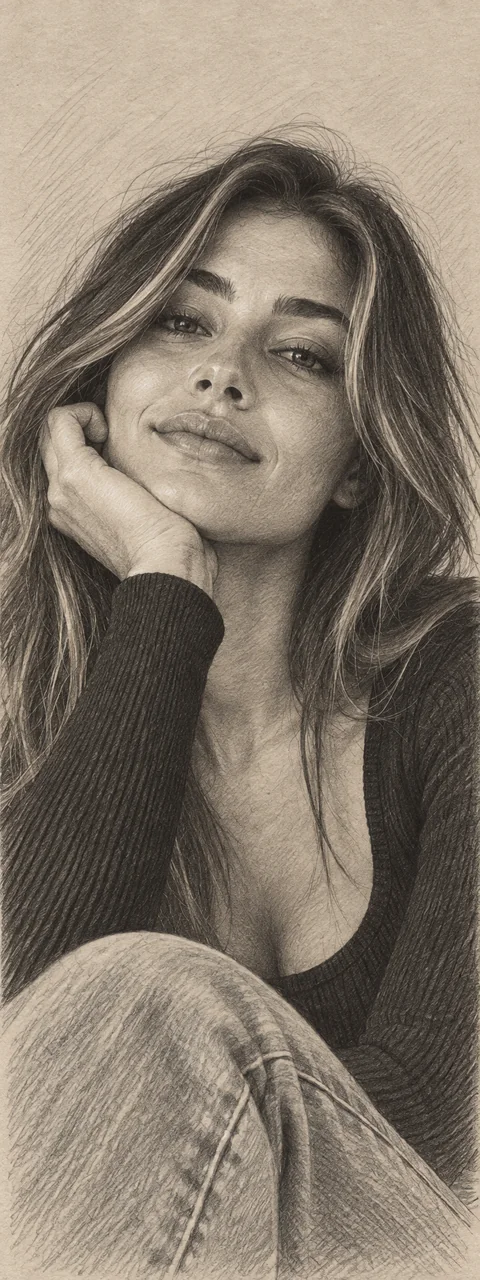
/SKETCH · CHATGPT
Graphite sketch
Render the subject as a hand-drawn graphite study on warm drawing paper.
peoplepets
Convert the subject into a bold two-tone stencil print with connected negative-space bridges, rough ink edges and restrained spray texture.
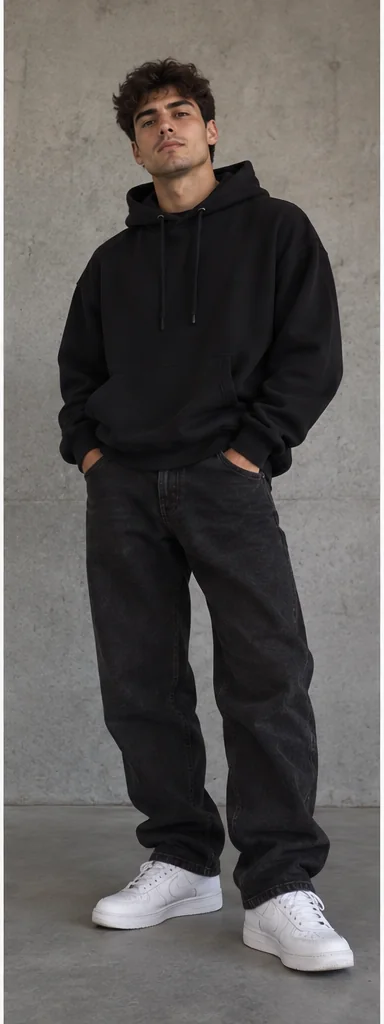
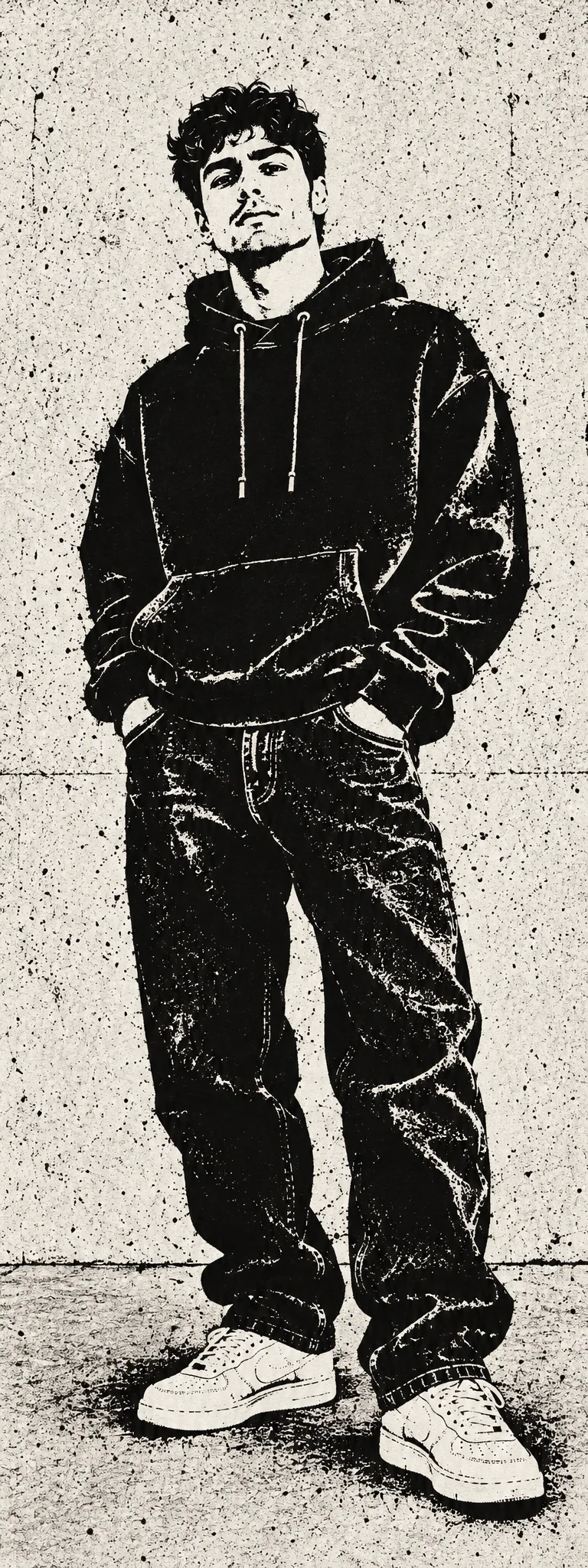
AI-generated illustrative transformation. Source created internally.
Choose a strong outline and large features that will survive reduction to two tones.
Convert the subject into a bold two-tone stencil print with connected negative-space bridges, rough ink edges and restrained spray texture.
Compare subject count, recognizable identity, proportions and text against the original. Deliberate transformations are described in the prompt.
A stencil design depends on connected dark shapes and deliberately open areas. Small isolated islands may look good in a rendering without forming a practical physical stencil.
Review negative spaces around eyes, spokes and lettering. If recognition disappears, restore one or two interior openings rather than adding fine shading. Treat the result as a graphic concept unless its bridges and cut paths are separately engineered.
/SILHOUETTE — A solid silhouette is simpler when the outer shape alone can identify the subject.
These are editing suggestions, not additional test observations. Read the practical guide or use the before/after checklist.
Useful for stencil-print concepts. Negative-space bridges should preserve readability; this image is not a fabrication-ready cutting template.
Input advice and use cases are editorial guidance, not additional test results.
Bold stencil treatment recognizable without anatomy defects.
2026-09-20 · Work built-in image_gen
Clear limited-tone stencil treatment; some fine detail remains.
2026-09-21 · Work built-in image_gen
These notes describe the named runs, which may use a different subject from the comparison above. They do not guarantee results on another input or a future model. See our testing method.
Render the subject as a hand-drawn graphite study on warm drawing paper.
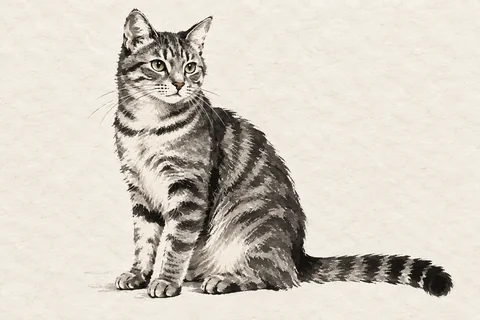
Translate the subject into expressive black brush ink on off-white rice paper.
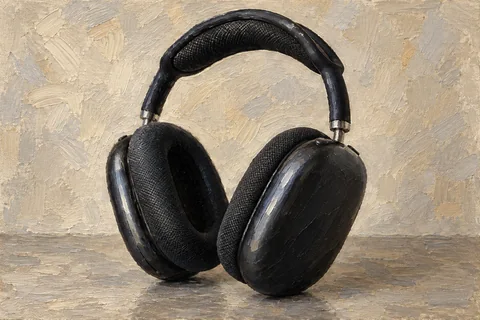
Paint the subject in richly layered oil on canvas.
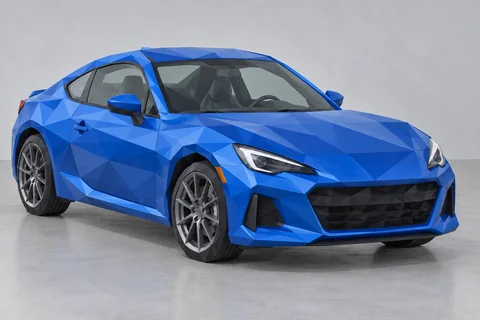
Rebuild the visible subject as an angular low-poly sculpture made from broad flat polygon facets.