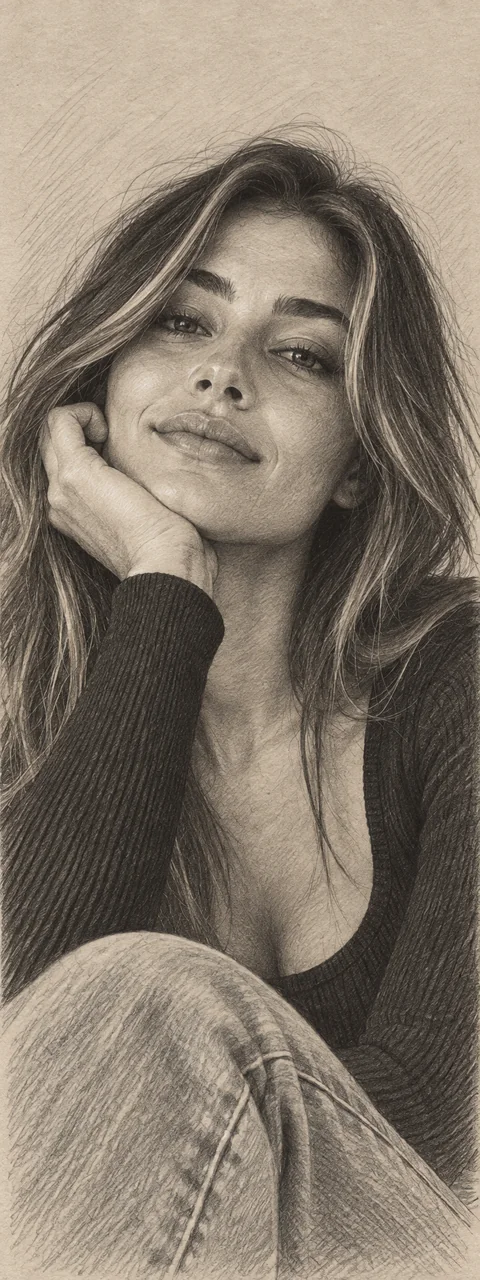
/SKETCH · CHATGPT
Graphite sketch
Render the subject as a hand-drawn graphite study on warm drawing paper.
peoplepets
Paint the subject in richly layered oil on canvas.
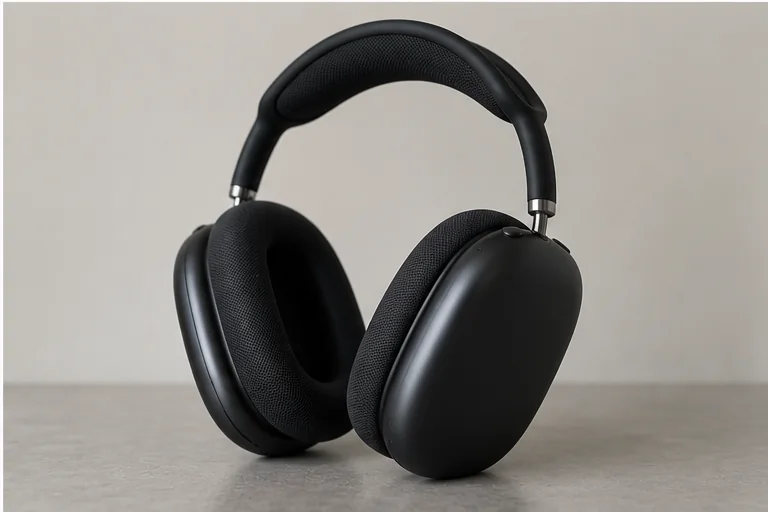
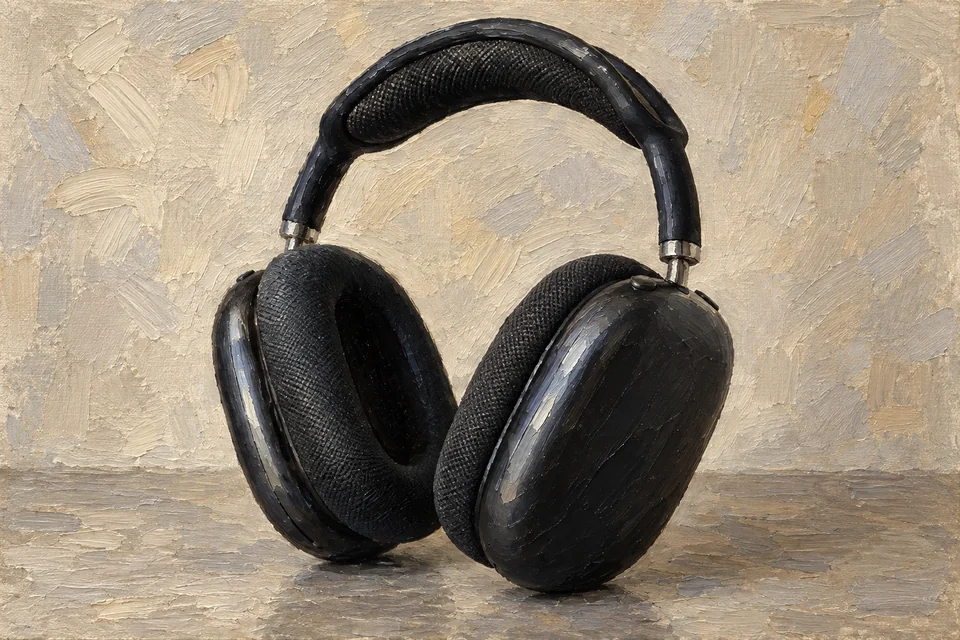
AI-generated illustrative transformation. Source created internally.
Use a source with distinct light, shadow and color masses that can translate into brushwork.
Paint the subject in richly layered oil on canvas.
Compare subject count, recognizable identity, proportions and text against the original. Deliberate transformations are described in the prompt.
Broad brush masses should establish the subject before small painted details. Choose whether visible texture belongs mainly in the background or across the entire figure so the result has a consistent painted language.
Check eyes and distinctive edges at normal viewing size. If impasto erases them, reserve smoother brushwork for those areas. Do not equate a canvas overlay with a painted interpretation of the actual forms.
/WATERCOLOR — Transparent washes can suit a lighter treatment when opaque painted volumes feel too heavy.
These are editing suggestions, not additional test observations. Read the practical guide or use the before/after checklist.
Useful for an oil-painting interpretation. Canvas texture alone is insufficient; the subject should read as painted without losing its characteristic shape.
Input advice and use cases are editorial guidance, not additional test results.
Clear requested medium; recognizable source, no critical distortion observed.
2026-09-20 · Work built-in image_gen
Tactile oil strokes clearly translate single burger.
2026-09-20 · Work built-in image_gen
These notes describe the named runs, which may use a different subject from the comparison above. They do not guarantee results on another input or a future model. See our testing method.
Render the subject as a hand-drawn graphite study on warm drawing paper.
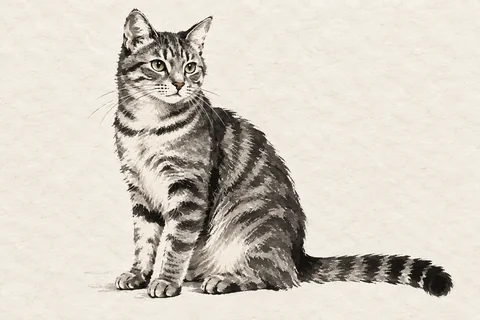
Translate the subject into expressive black brush ink on off-white rice paper.
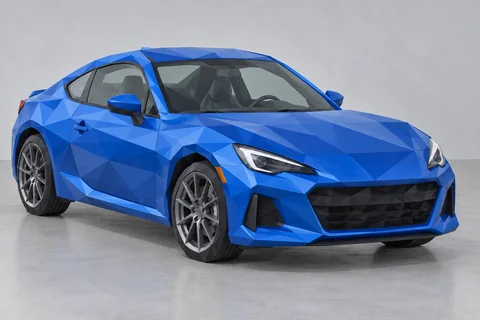
Rebuild the visible subject as an angular low-poly sculpture made from broad flat polygon facets.
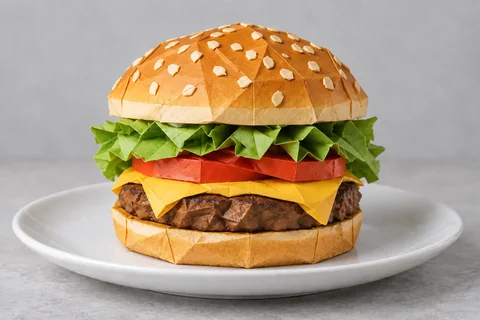
Turn the subject into one freestanding folded-paper sculpture.