
/SKETCH · CHATGPT
Graphite sketch
Render the subject as a hand-drawn graphite study on warm drawing paper.
peoplepets
Turn the subject into one freestanding folded-paper sculpture.
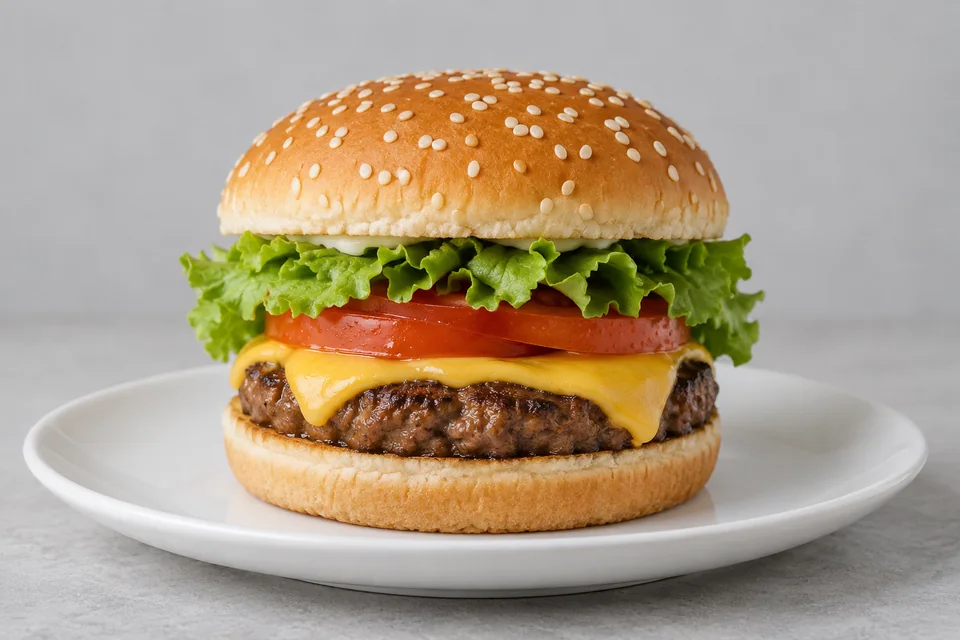
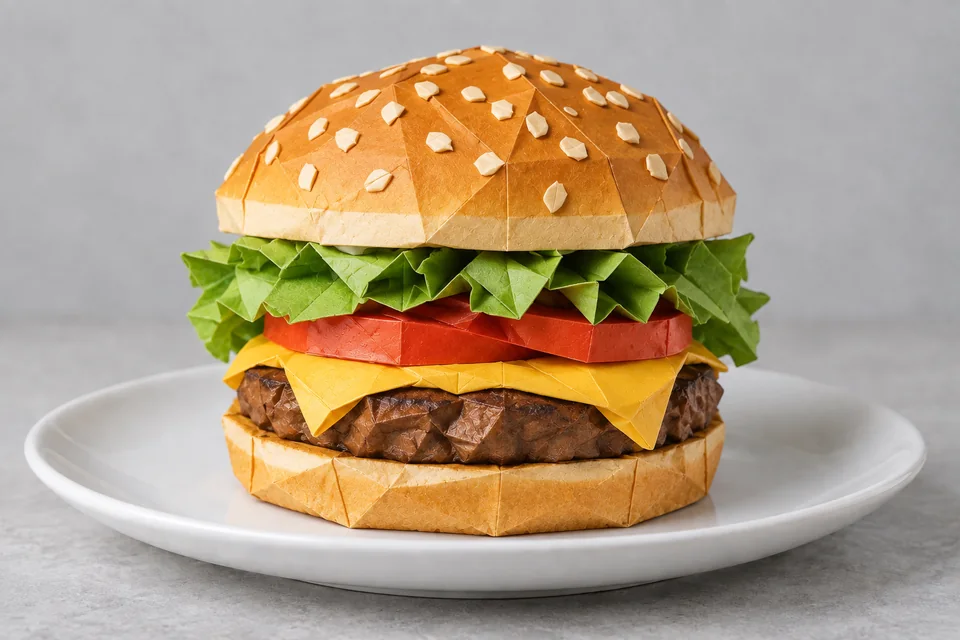
AI-generated illustrative transformation. Source created internally.
Use a distinct outline that can plausibly simplify into folded planes.
Turn the subject into one freestanding folded-paper sculpture.
Compare subject count, recognizable identity, proportions and text against the original. Deliberate transformations are described in the prompt.
A folded object needs visible creases, flat paper faces and plausible transitions between them. Choose a source with a clear outline; tiny fuzzy details will need to become simpler folded shapes.
Look for a coherent freestanding construction rather than a photographic subject with a paper texture. If folds multiply without purpose, reduce their count and keep one dominant crease direction per region.
/PAPERCUT — Layered cut-paper illustration offers depth through stacking instead of folded volume.
These are editing suggestions, not additional test observations. Read the practical guide or use the before/after checklist.
Useful for a freestanding paper-sculpture concept. Look for folds and a single coherent object, not merely a photographic subject recolored like paper.
Input advice and use cases are editorial guidance, not additional test results.
Folded paper layers clearly replace burger materials without duplicate food.
2026-09-20 · Work built-in image_gen
Folded paper body and wheel surfaces clearly legible.
2026-09-20 · Work built-in image_gen
These notes describe the named runs, which may use a different subject from the comparison above. They do not guarantee results on another input or a future model. See our testing method.
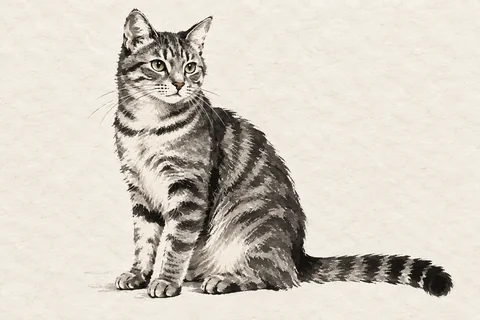
Render the subject as a hand-drawn graphite study on warm drawing paper.
Translate the subject into expressive black brush ink on off-white rice paper.
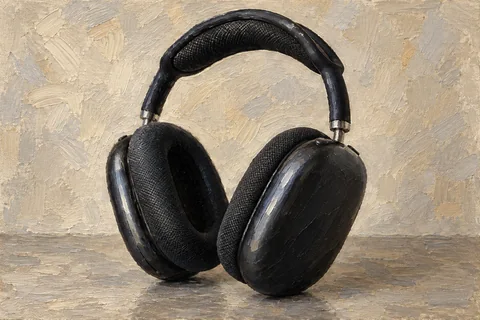
Paint the subject in richly layered oil on canvas.
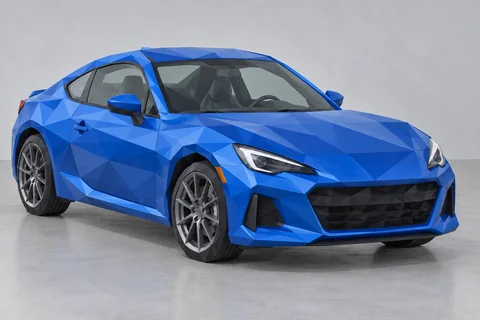
Rebuild the visible subject as an angular low-poly sculpture made from broad flat polygon facets.