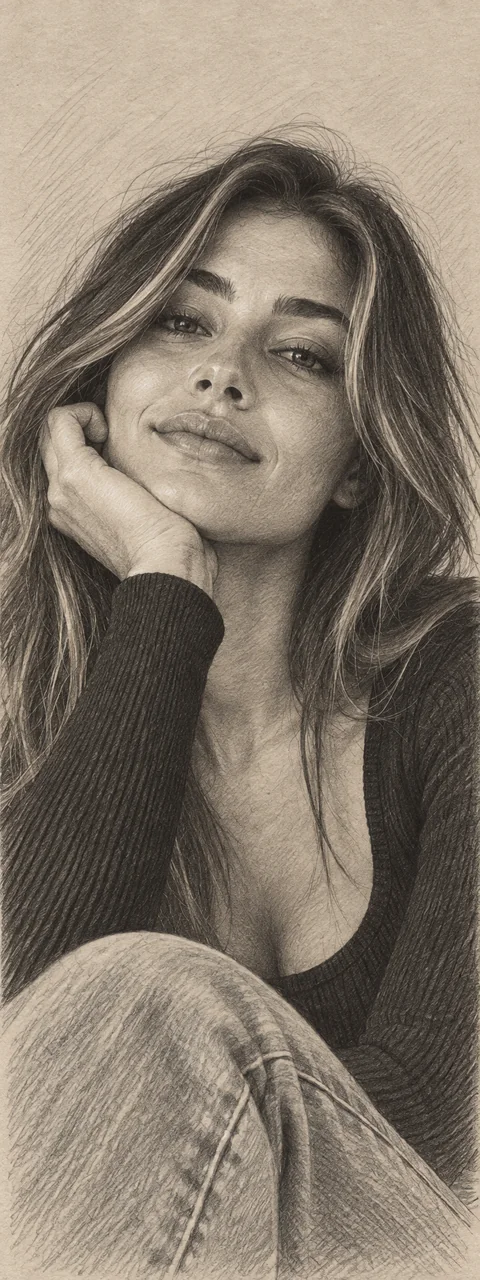
/SKETCH · CHATGPT
Graphite sketch
Render the subject as a hand-drawn graphite study on warm drawing paper.
peoplepets
Explore portrait illustration, lighting studies and styling ideas using fictional people in our examples. Start with a clear face for likeness; use a wider view when the outfit or movement matters. Compare facial features and hands before choosing a result.
Explore 66 effects ↗
Render the subject as a hand-drawn graphite study on warm drawing paper.
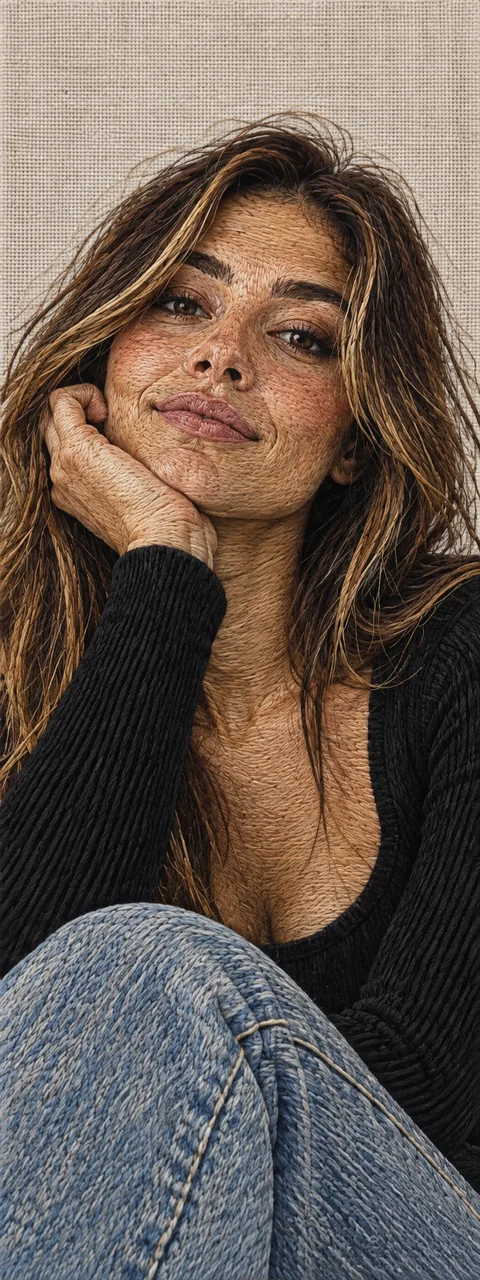
Recreate the subject as dense embroidery on a flat linen panel.
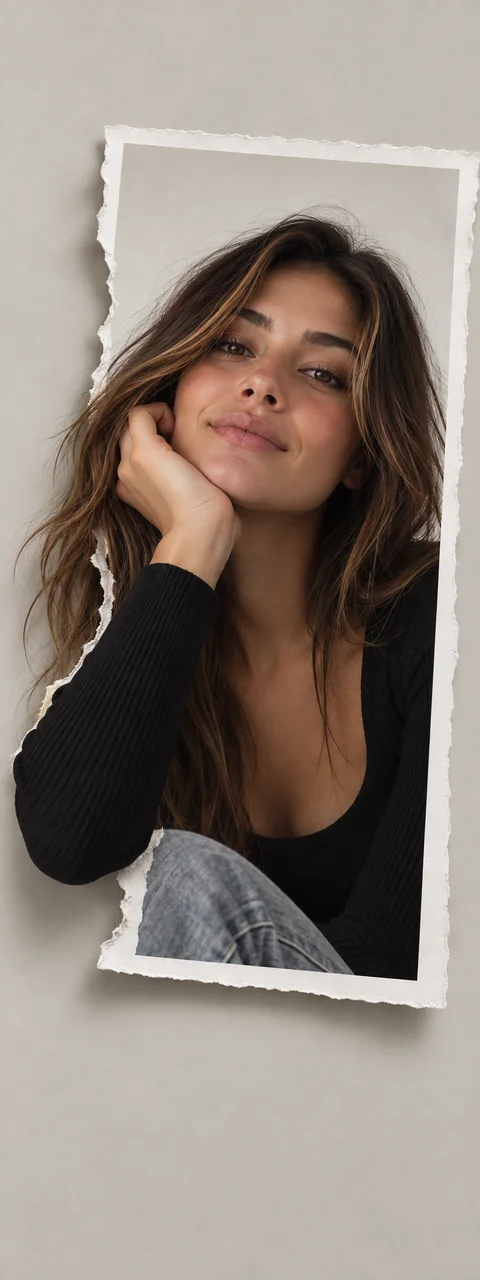
Show a single printed photograph containing the subject, with one continuous part of the subject extending beyond its torn paper edge into the surrounding space.
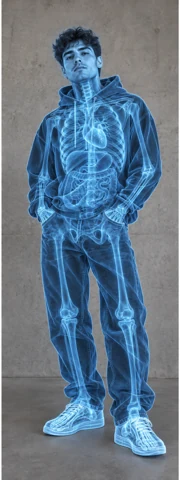
Create a fictional X-ray style illustration. Internal structures are illustrative, not factual.
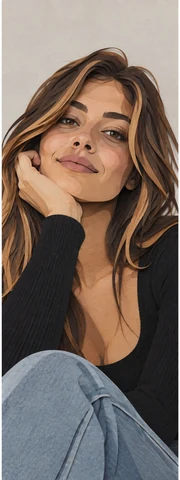
Build the subject from layered cut paper, with clean edges and soft shadows.
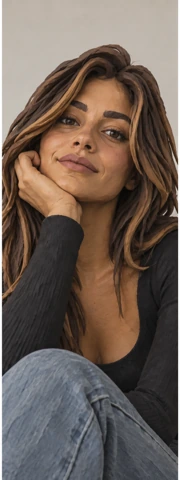
Translate the subject into a handmade clay sculpture with recognizable details.
Create a fictional X-ray style illustration. Internal structures are illustrative, not factual.
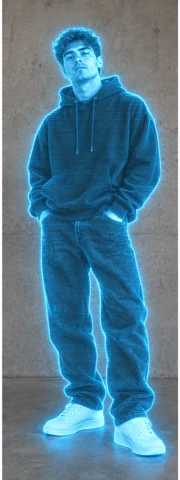
Recreate the subject as a cyan holographic projection with a clear outer contour.
A close portrait gives HEADSHOT useful facial detail, but cannot establish a full outfit below the frame. For OUTFIT or a body-led EDITORIAL concept, choose a source that shows the relevant garment and hands. Keep hairline, eye spacing and face shape as comparison anchors. Good lighting in the result does not compensate for an altered identity.
SKETCH can preserve likeness through a few structural contours, while ANIME deliberately changes the visual language. SOFTGLOW should soften highlights without erasing eyes or skin detail. Pick the intended balance before editing; do not ask an exaggerated character to behave like an untouched portrait.
Inspect facial landmarks, ears, teeth and hands first. Then check clothing seams and accessories. If several regions drift, return to the source and narrow the change. Our people examples use fictional subjects; the images do not document real shoots or events. Read the face-preservation guide for a practical correction sequence.
Find the right look for your photo.
66 effects with examples · 4 in testing
Build the subject from layered cut paper, with clean edges and soft shadows.
Translate the subject into a handmade clay sculpture with recognizable details.
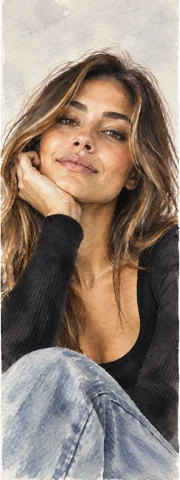
Render the subject in loose watercolor washes with delicate paper texture.
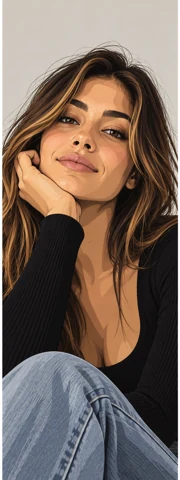
Reinterpret the subject as an original cel-shaded illustration while preserving identity cues.

Add electric blue rim lighting while keeping the original scene and readable details.

Give the photograph a restrained vintage film grade, soft contrast and fine grain.
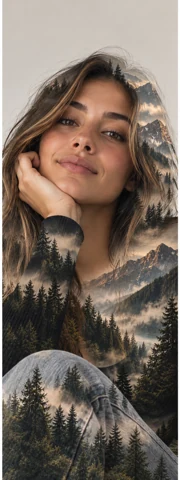
Blend the subject silhouette with a secondary landscape, keeping the primary identity readable.
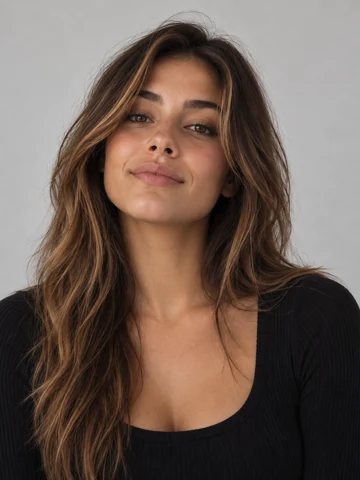
Create a natural professional headshot with a simple background and soft flattering light.
Render the subject as a hand-drawn graphite study on warm drawing paper.
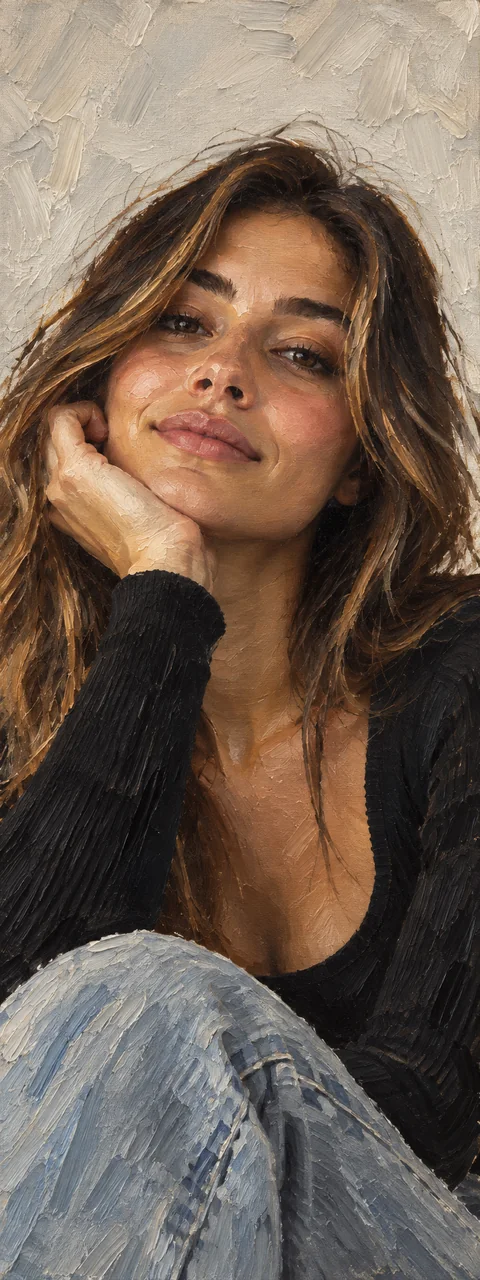
Paint the subject in richly layered oil on canvas.
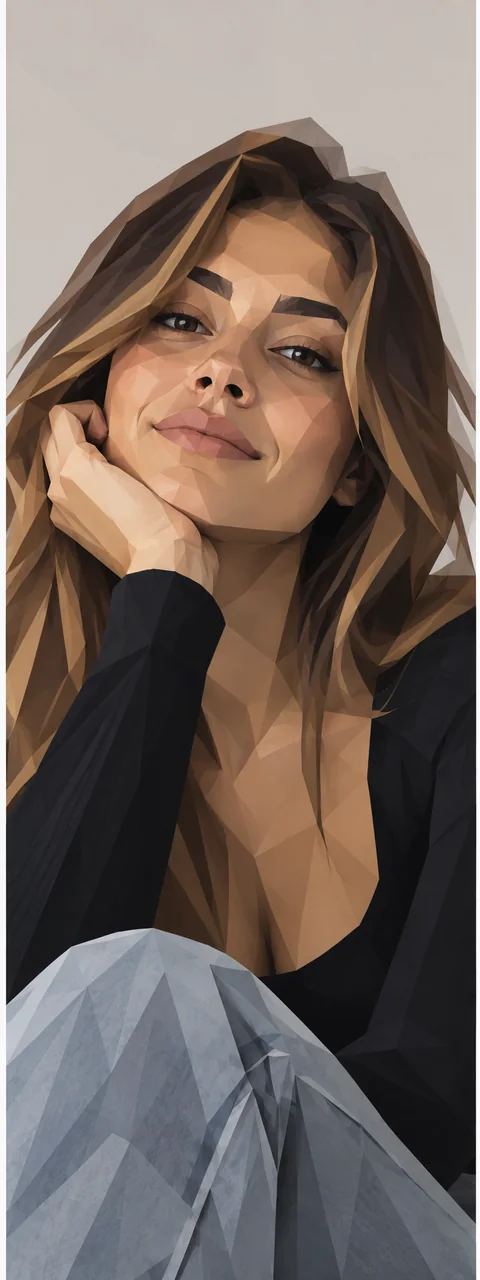
Rebuild the visible subject as an angular low-poly sculpture made from broad flat polygon facets.
Recreate the subject as dense embroidery on a flat linen panel.
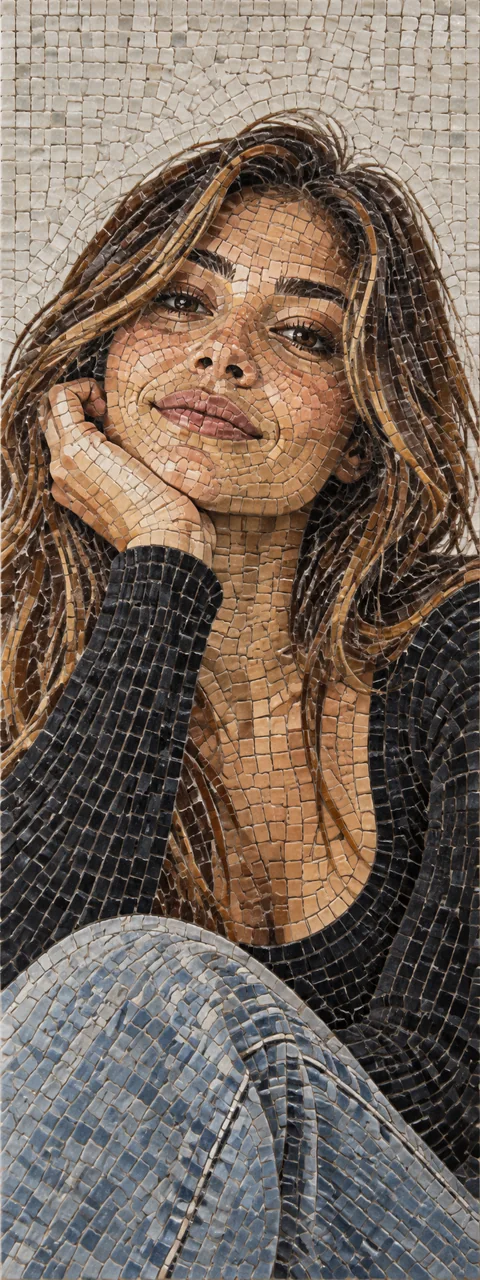
Reconstruct the subject in small ceramic tesserae with visible grout gaps.
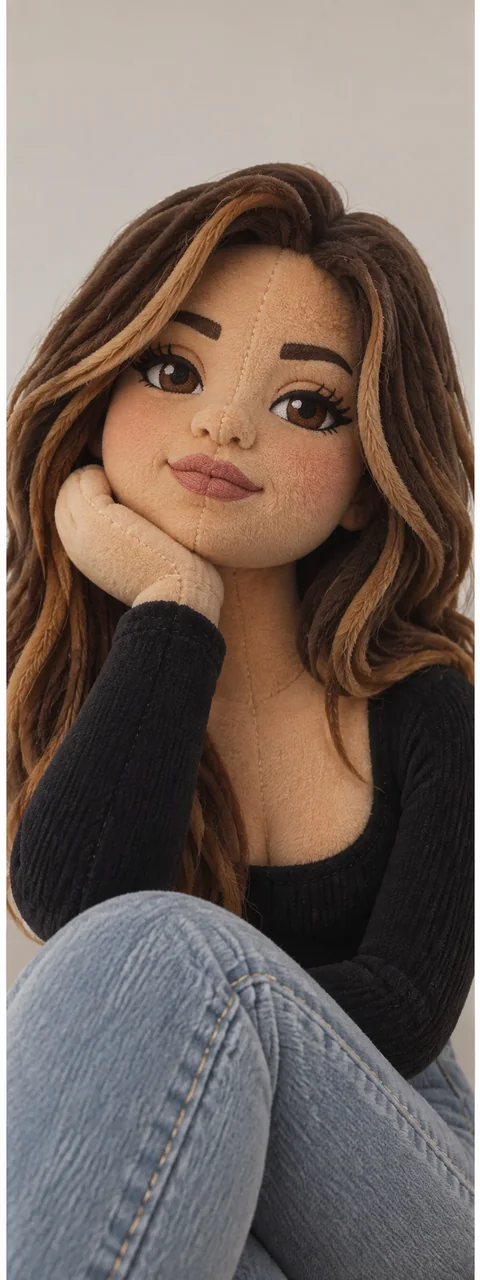
Transform the subject into a soft stuffed plush collectible with short fabric pile, stitched seams and gently simplified rounded construction.
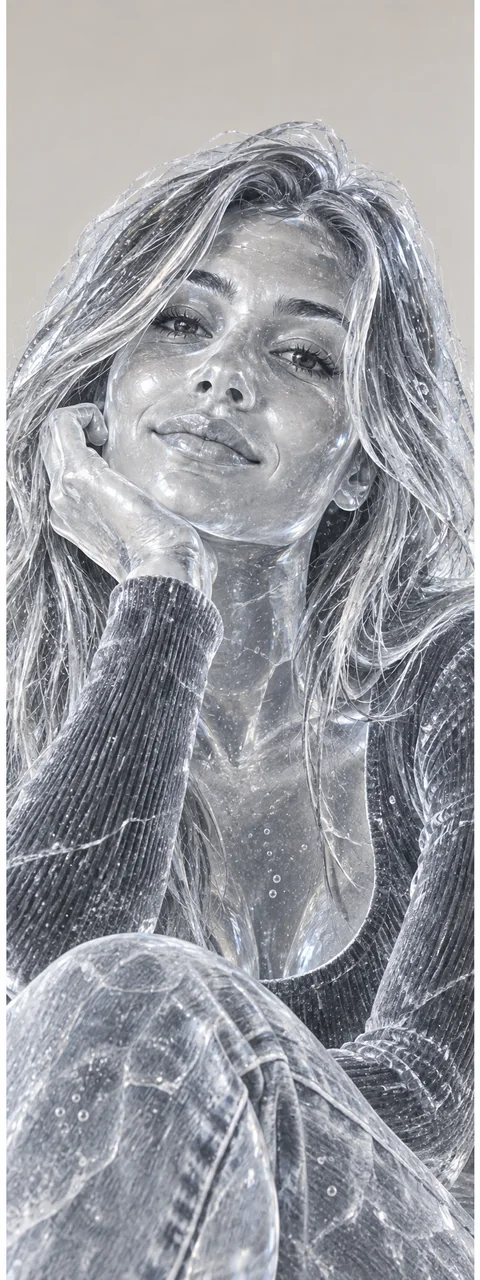
Replace the subject material with carved clear ice.
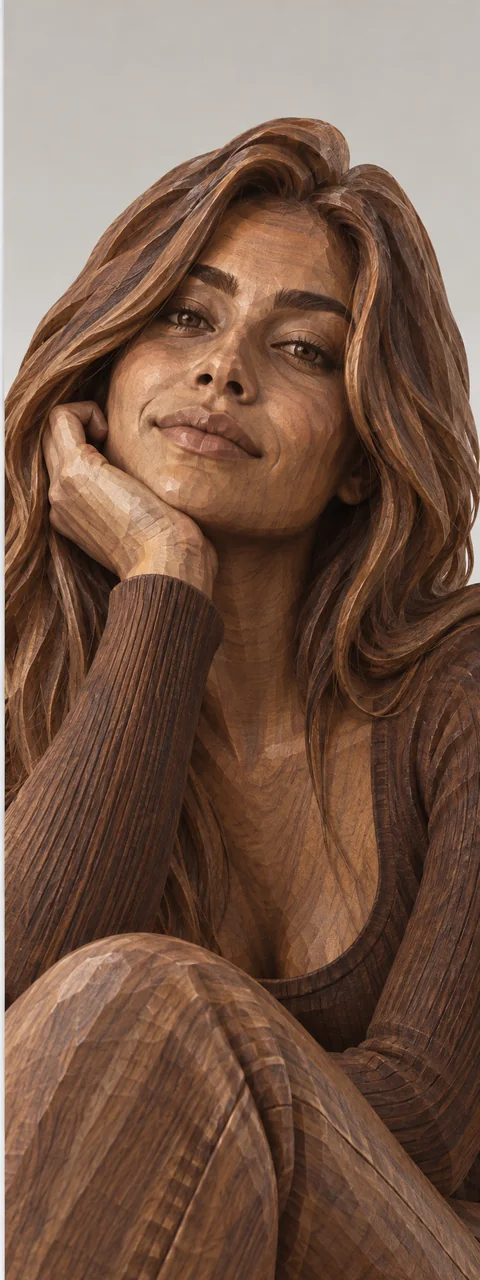
Turn the subject into an expertly carved walnut object.
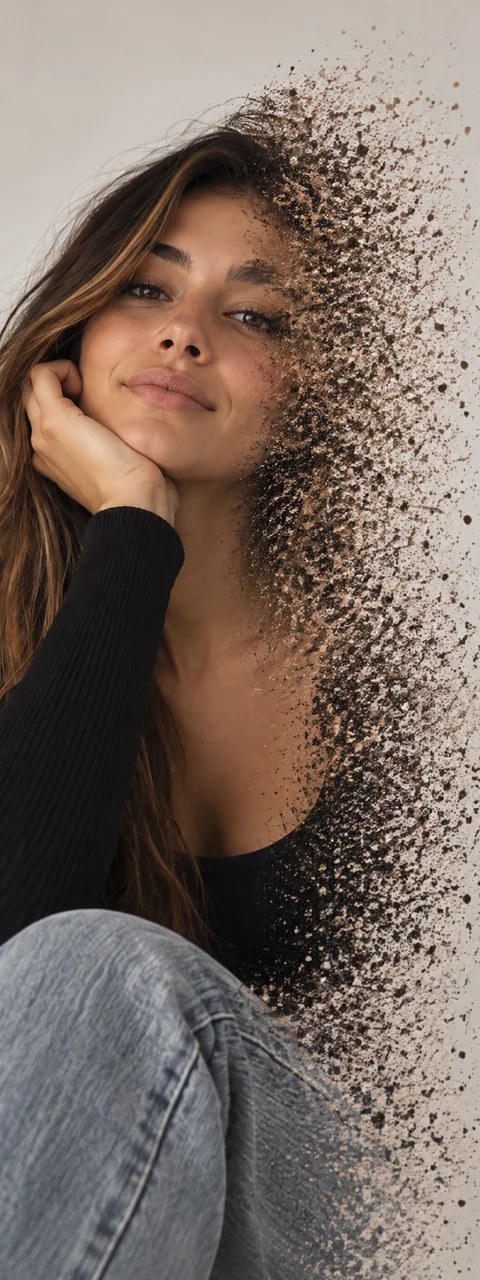
Keep most of the subject intact and recognizable while one outer side progressively dissolves into thousands of small particles moving laterally.
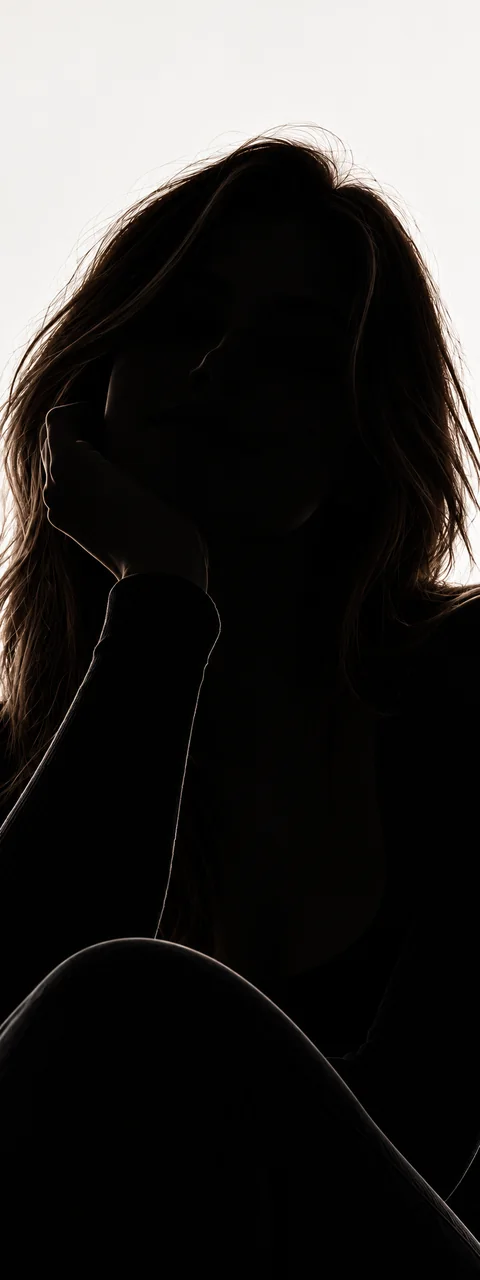
Reduce the subject to a clean near-black silhouette against a bright simple background, preserving distinctive outer contours and pose.

Reframe the same subject through a close wide fisheye lens.
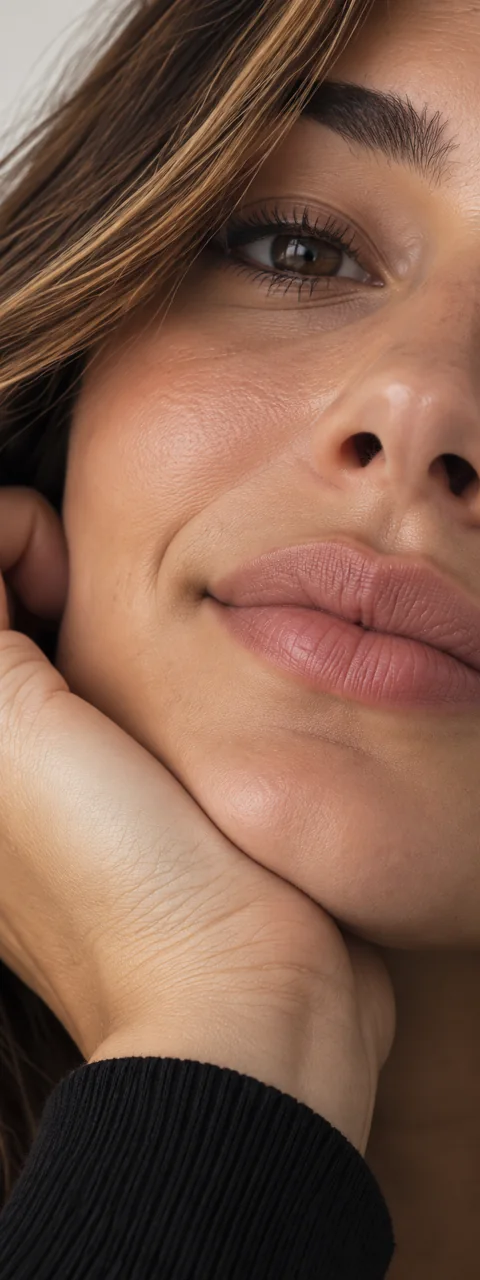
Create an extreme photographic close-up of one distinctive visible detail of the source subject.

Compose a clean poster using the same subject as the hero with generous negative space and an intentional typographic hierarchy.

Create a single high-quality die-cut sticker of the subject, with a crisp white contour border and slight paper thickness on a plain backing.
Show a single printed photograph containing the subject, with one continuous part of the subject extending beyond its torn paper edge into the surrounding space.
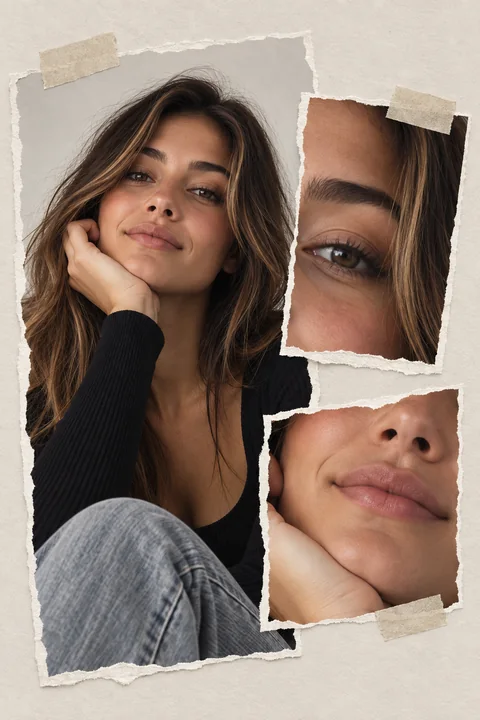
Arrange three deliberate cut photographic fragments of the source into a balanced tactile editorial collage on plain paper.
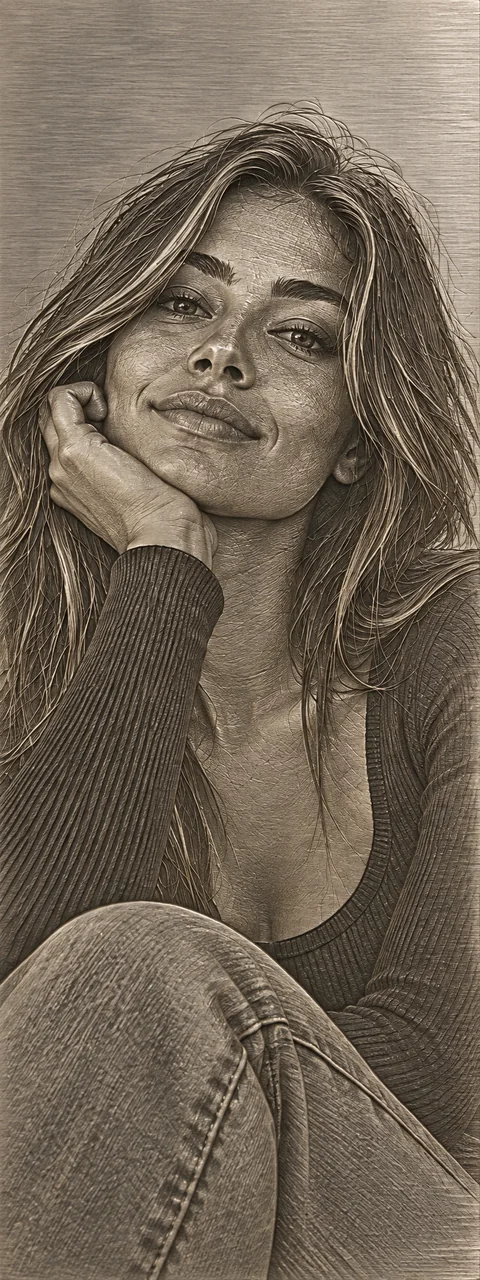
Depict the subject as a shallow engraved relief on a brushed metal plaque.
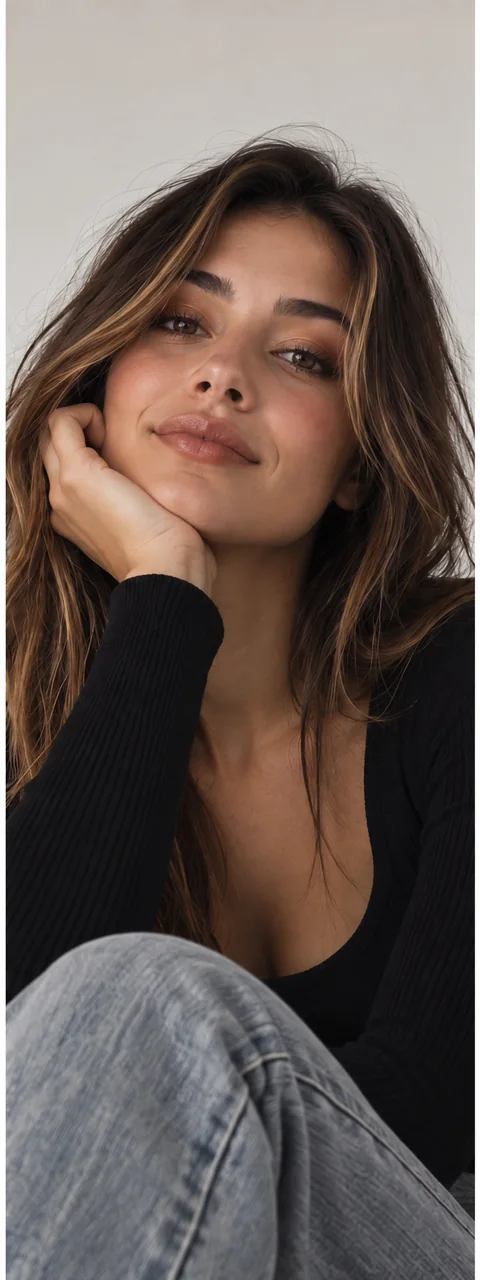
Apply your chosen style as cosmetic makeup to the existing face.
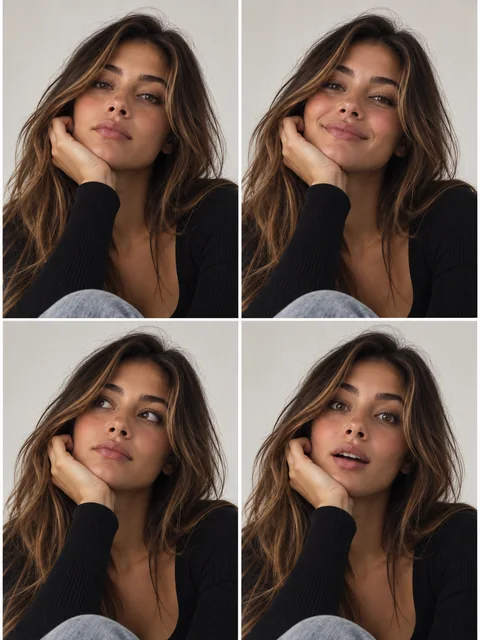
Create a clean 2 by 2 contact sheet of the same person with four subtle expressions: neutral, warm smile, thoughtful and pleasantly surprised.
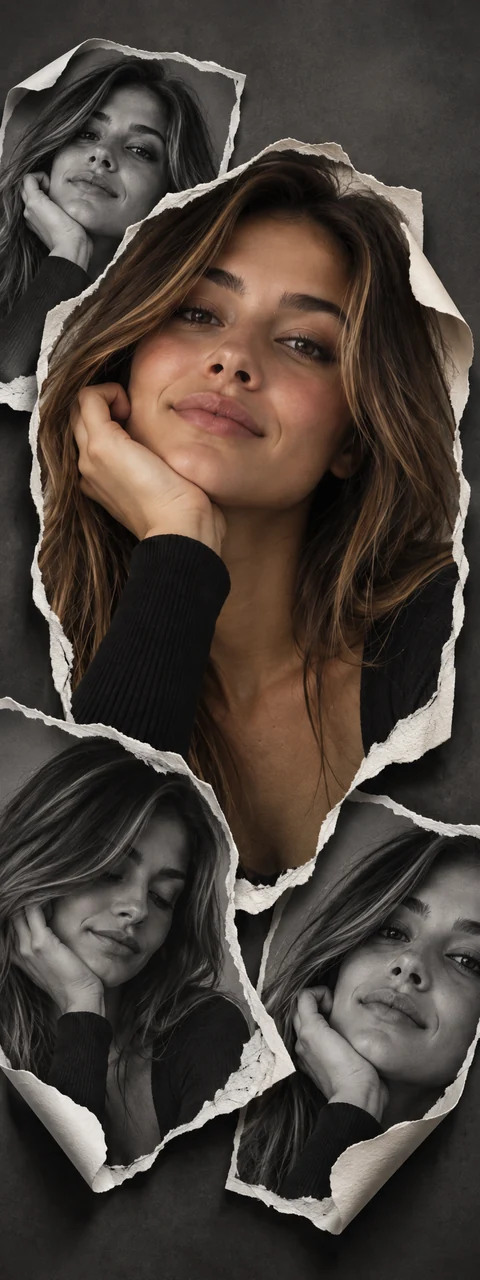
Build a dimensional portrait collage with torn prints and curled paper edges.
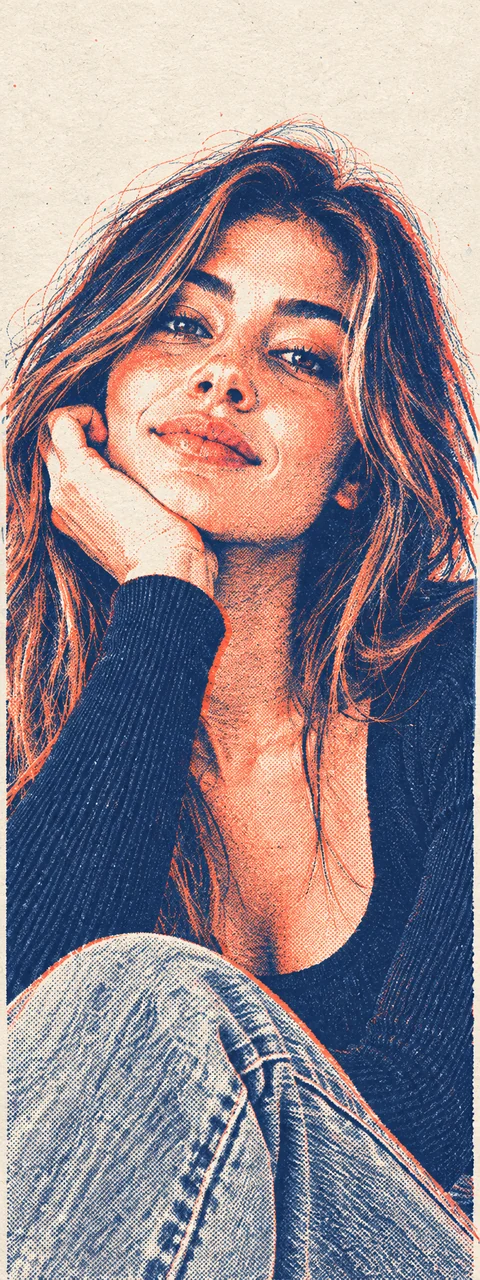
Reprint a portrait as a tactile two-color risograph with subtle ink misregistration.
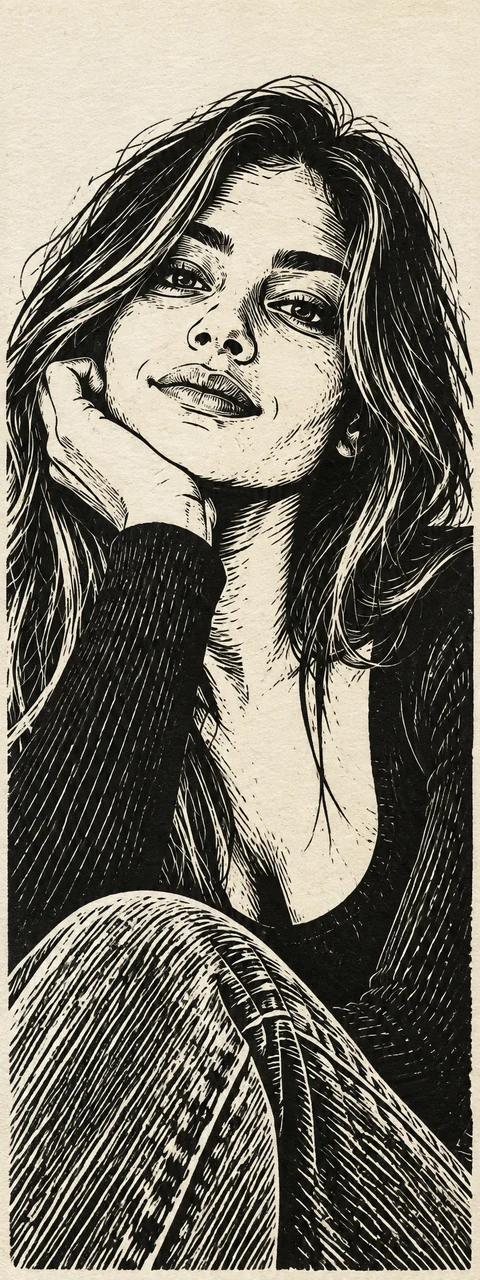
Translate this same adult portrait into a black-ink linocut print on warm off-white paper.
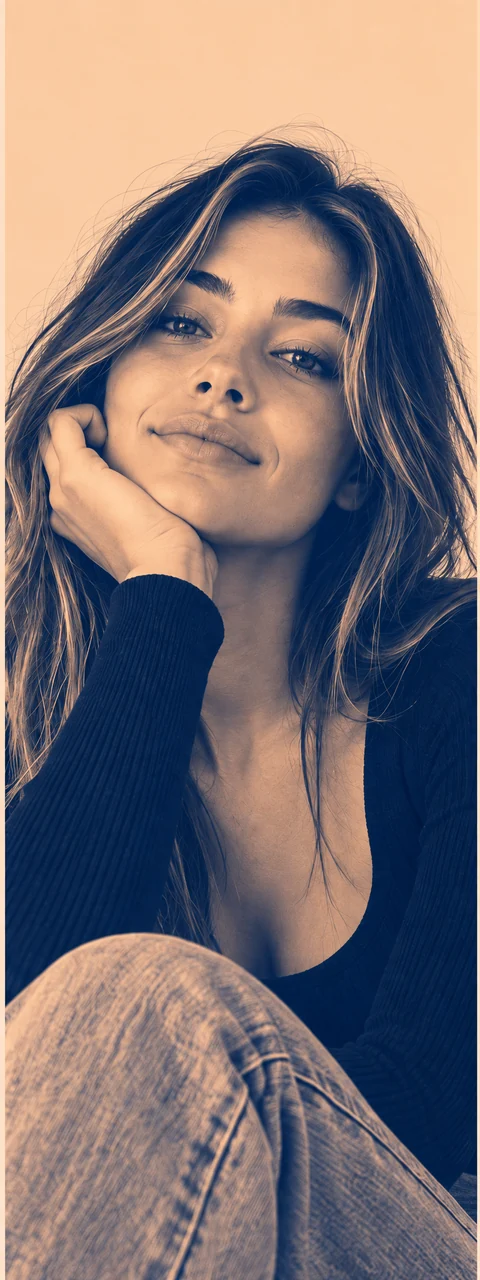
Apply a photographic duotone treatment to this exact adult portrait.
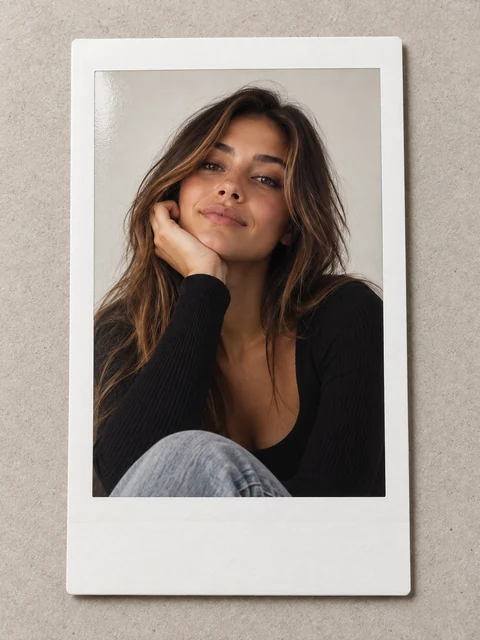
Present the original portrait as a single instant-film print lying flat on a neutral tabletop.
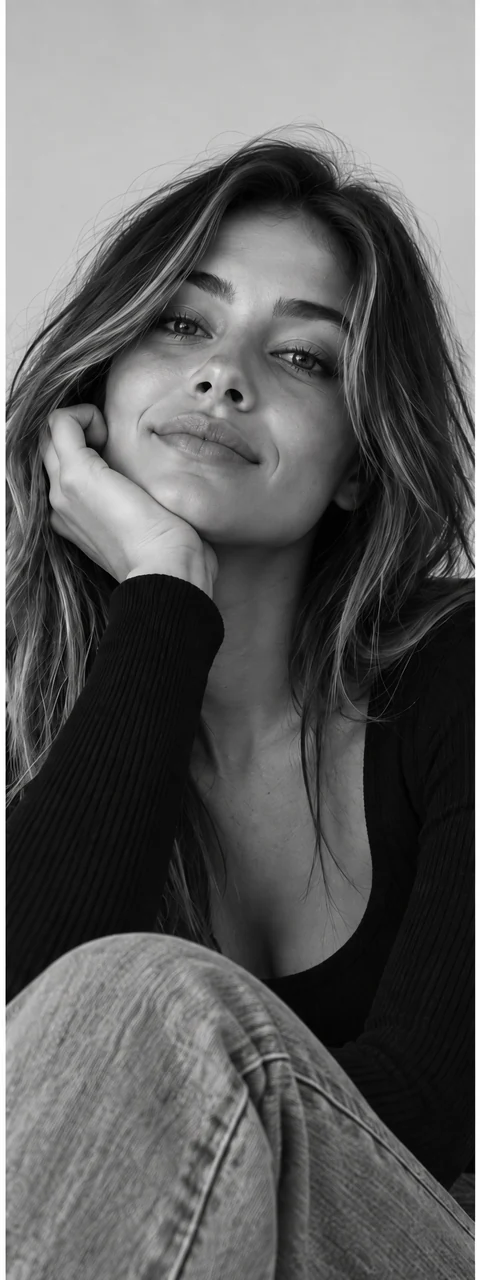
Convert this portrait into a clean photographic black-and-white study.
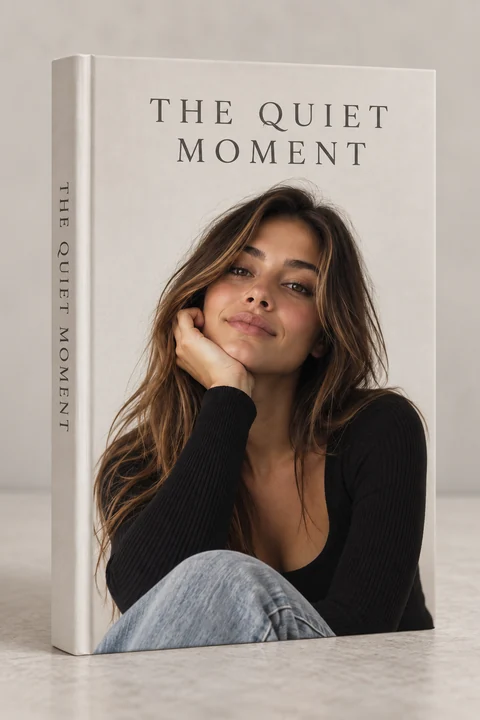
Use this exact portrait as the cover photograph of one contemporary hardcover book standing slightly angled on a neutral tabletop.
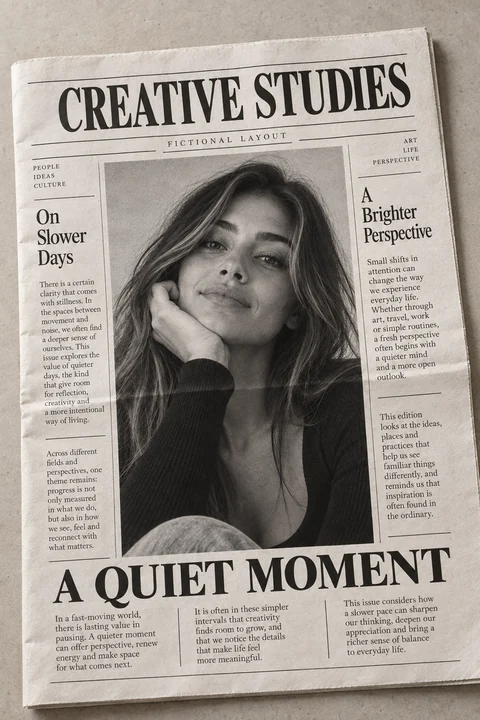
Create one physical folded newspaper page on a neutral tabletop, using the source portrait as the large central monochrome feature photograph.

Present the same portrait as one large photographic print with genuinely irregular hand-torn fibrous paper edges on a warm neutral backing.
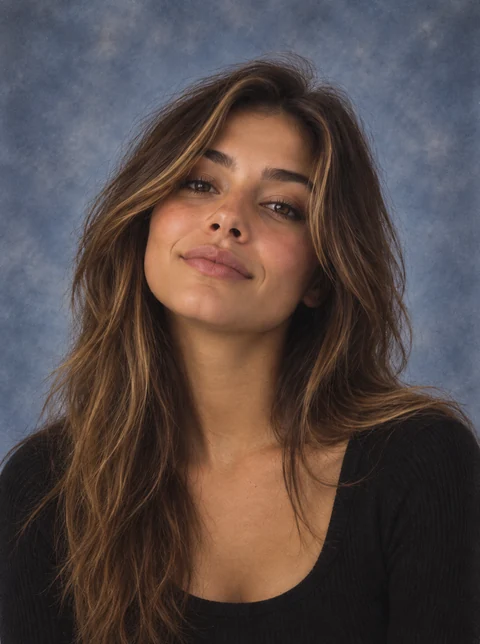
Create a single early-1990s studio yearbook-style portrait of this same fictional adult woman.
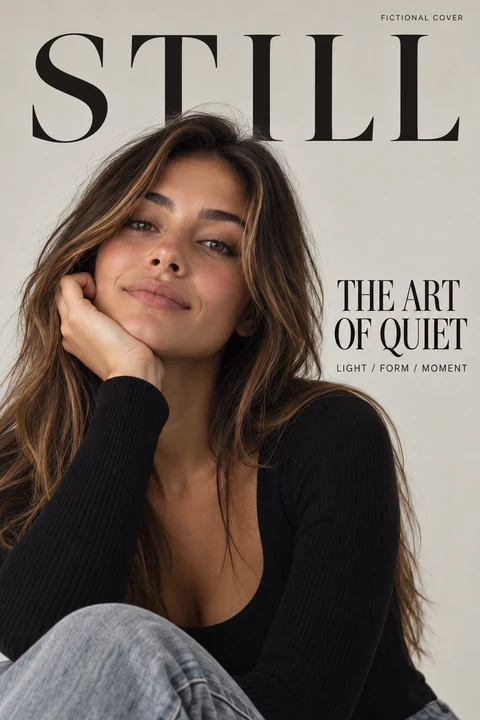
Create a flat editorial magazine cover using this same portrait as the full-bleed hero photograph.

Restore this deliberately simulated damaged photographic print.
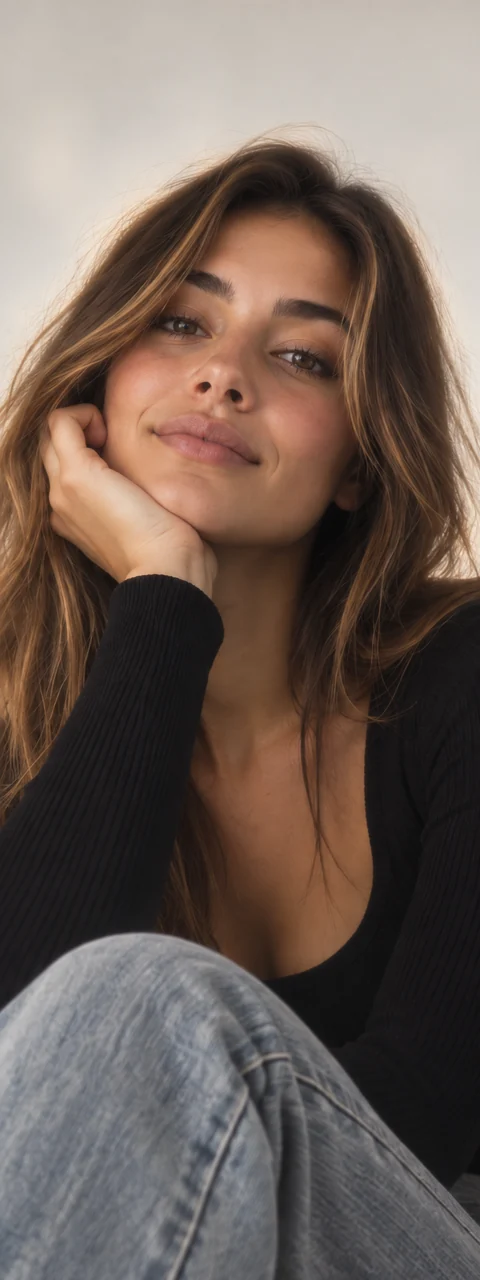
Apply restrained optical-diffusion softness to this same portrait, giving bright hair edges and background highlights a gentle warm bloom while keeping the eyes, eyebrows, lips, freckles and hand boundaries readable.

Add restrained party atmosphere while preserving the person.
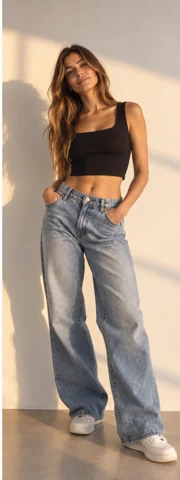
Relight the scene with warm low-angle sunlight and coherent natural shadows.
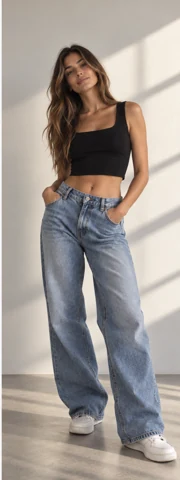
Create an editorial fashion portrait while preserving the person, garment fit and visible details.
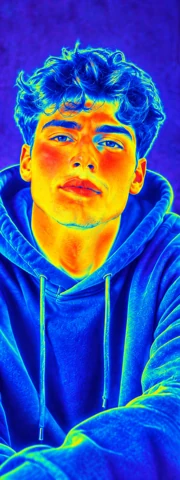
Apply a false-color thermal palette. This is a visual effect, not a temperature measurement.
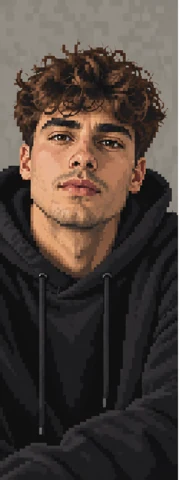
Translate the subject into crisp pixel art with a limited palette and legible silhouette.
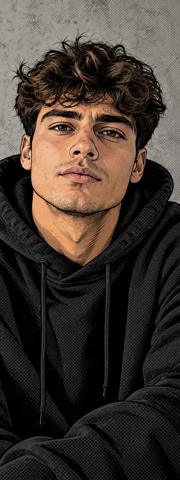
Make a bold comic illustration with confident ink contours and restrained halftone shading.
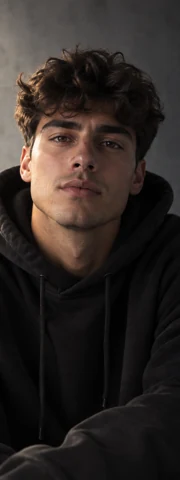
Create a cinematic portrait with intentional light, restrained color and natural skin detail.
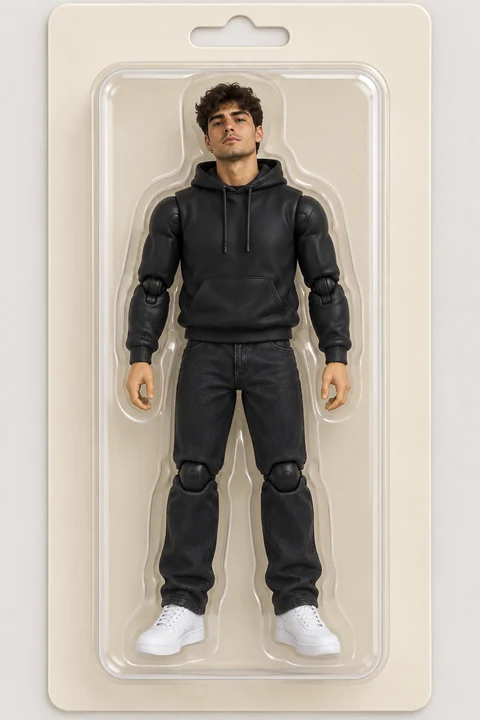
Turn the same adult person into a rigid articulated action figure in a clear molded blister attached to plain cream card.
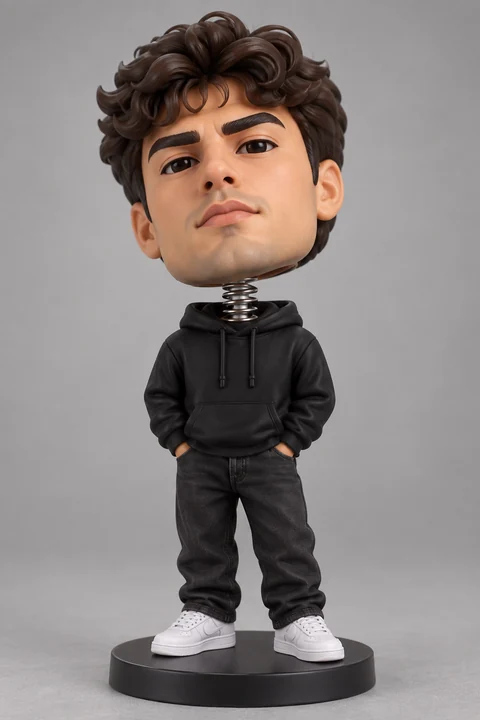
Transform the same adult person into one painted vinyl bobblehead collectible.
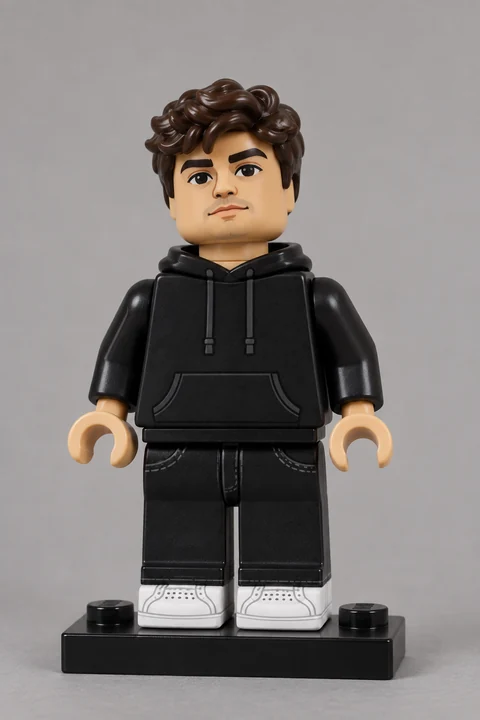
Transform the same adult man into one original block-style toy character with a squared torso, short hinged block legs, simplified curved hands and a rounded toy head.
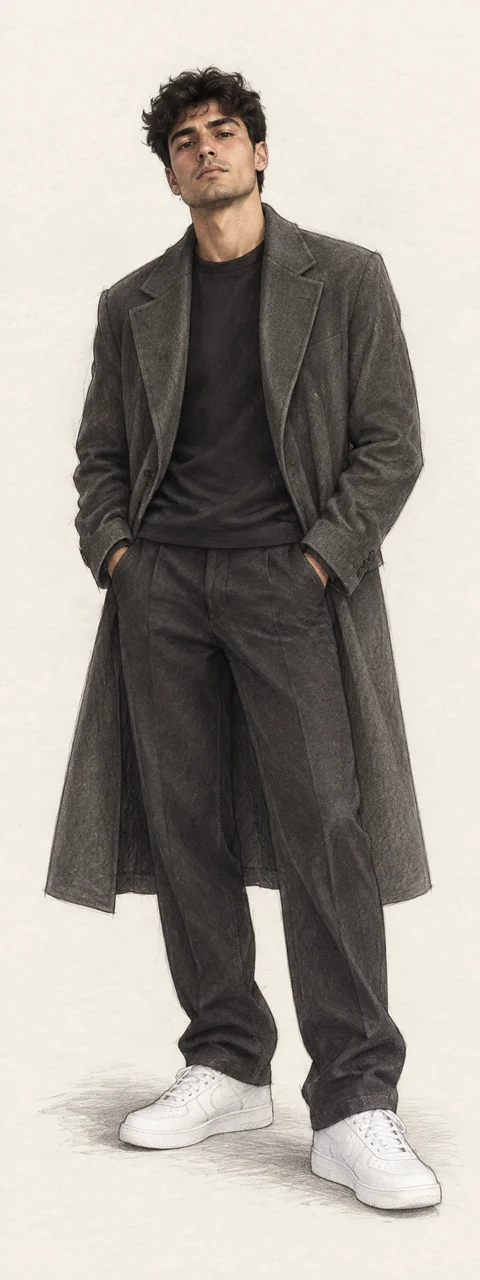
Turn the same fictional adult man into one hand-rendered fashion costume concept on clean off-white paper.
Create a fictional X-ray style illustration. Internal structures are illustrative, not factual.
Recreate the subject as a cyan holographic projection with a clear outer contour.
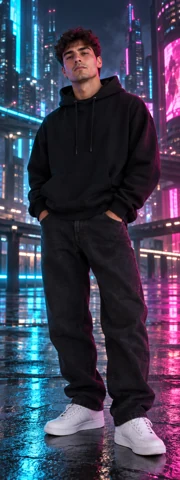
Place the subject in a cinematic futuristic city, balancing colored light with believable shadows.
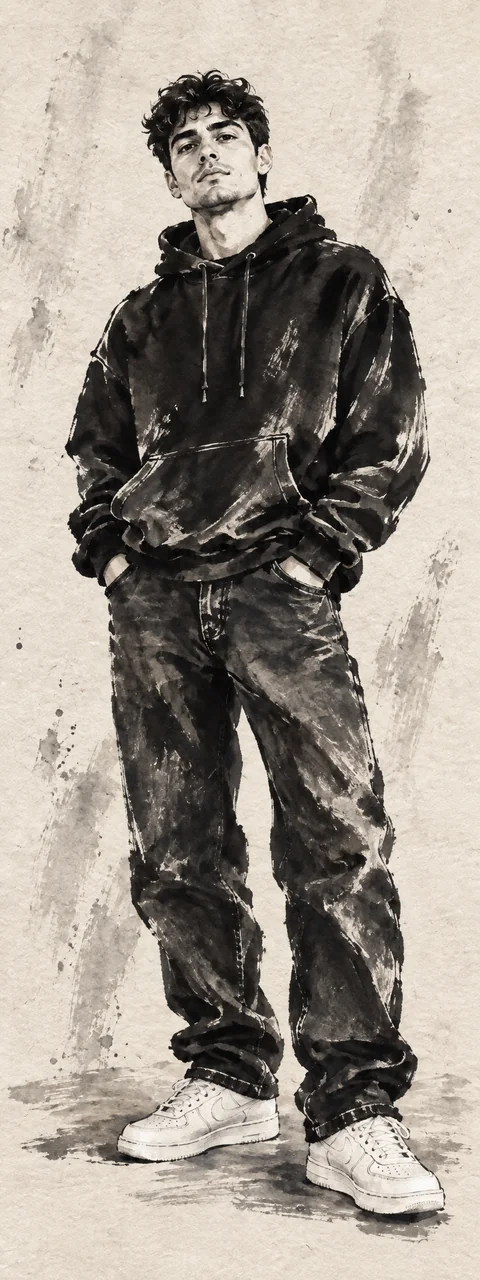
Translate the subject into expressive black brush ink on off-white rice paper.
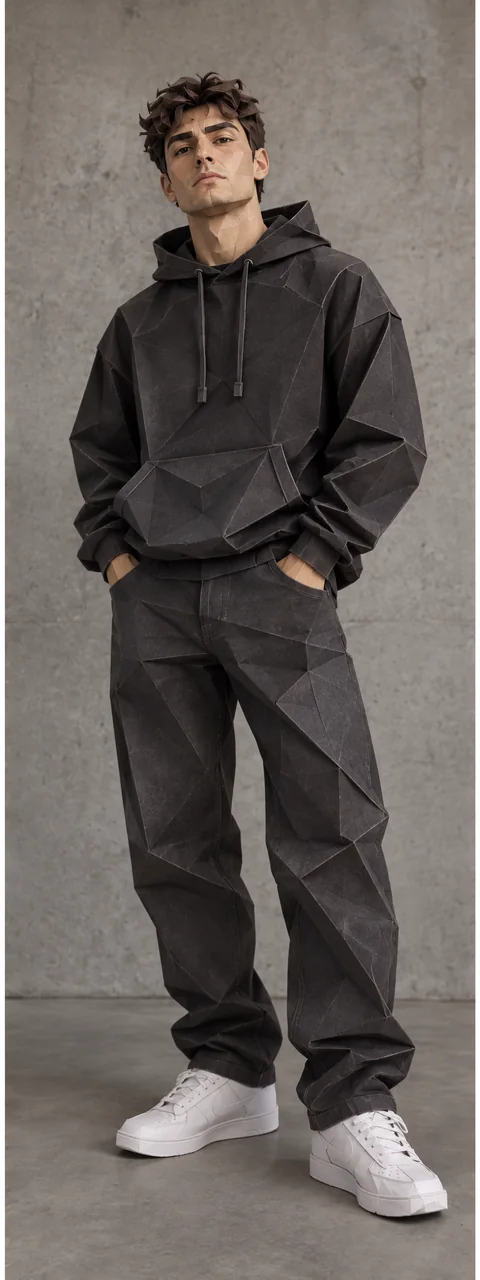
Turn the subject into one freestanding folded-paper sculpture.
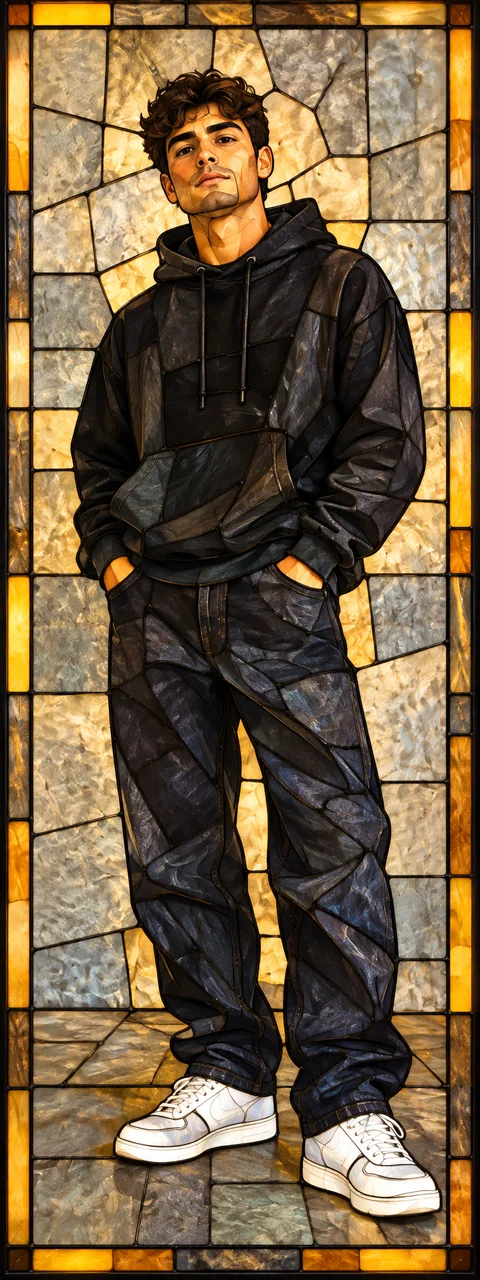
Create a luminous stained-glass panel depicting the subject.
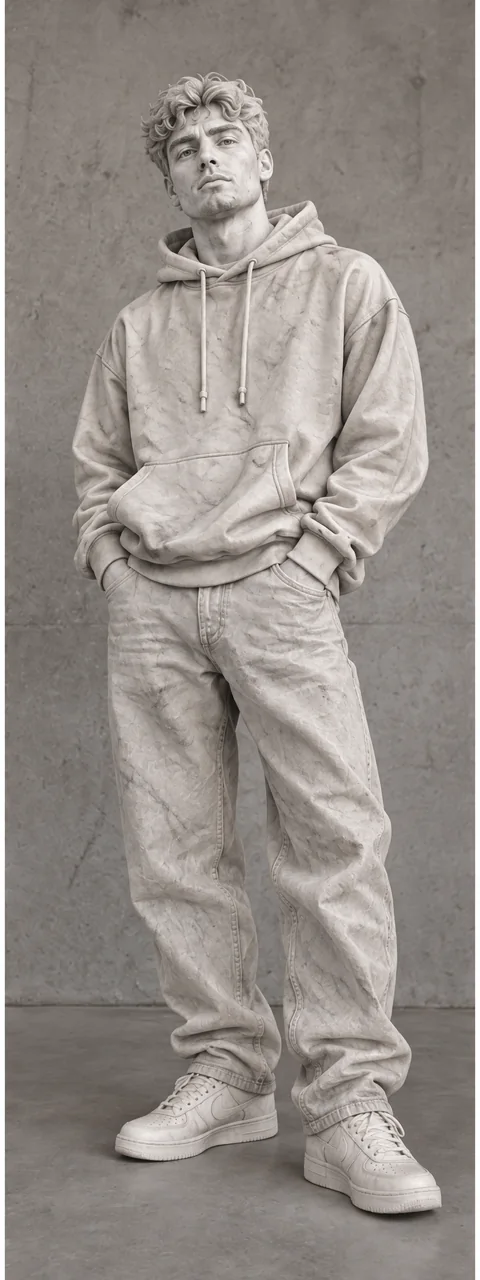
Reinterpret the subject as a carved pale marble sculpture.
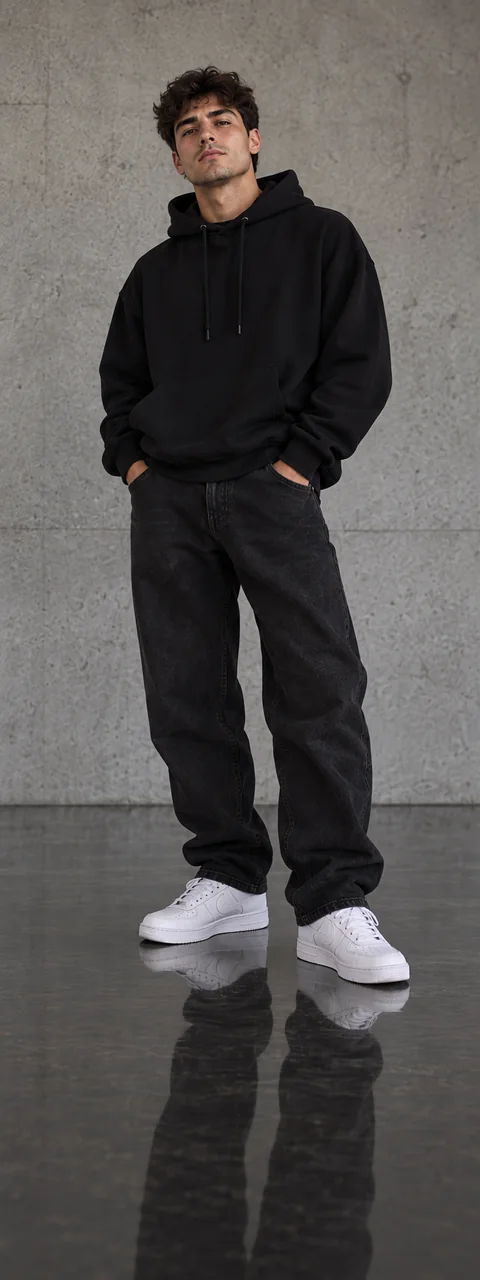
Place the unchanged subject on a polished dark reflective floor.
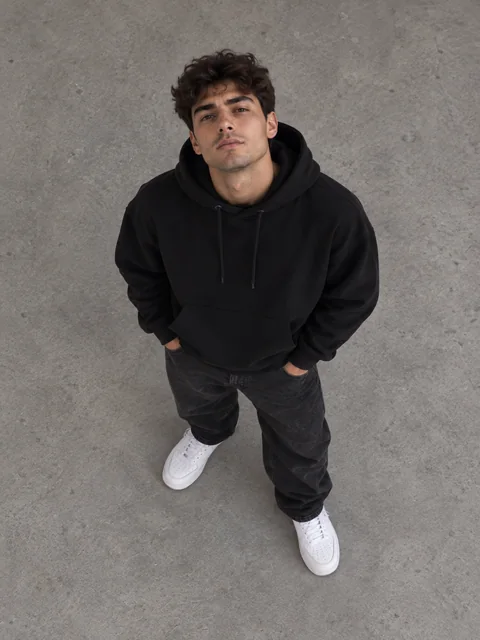
Reimagine the subject photographed directly from above, with a clean readable overhead composition, plausible perspective and consistent soft shadows.
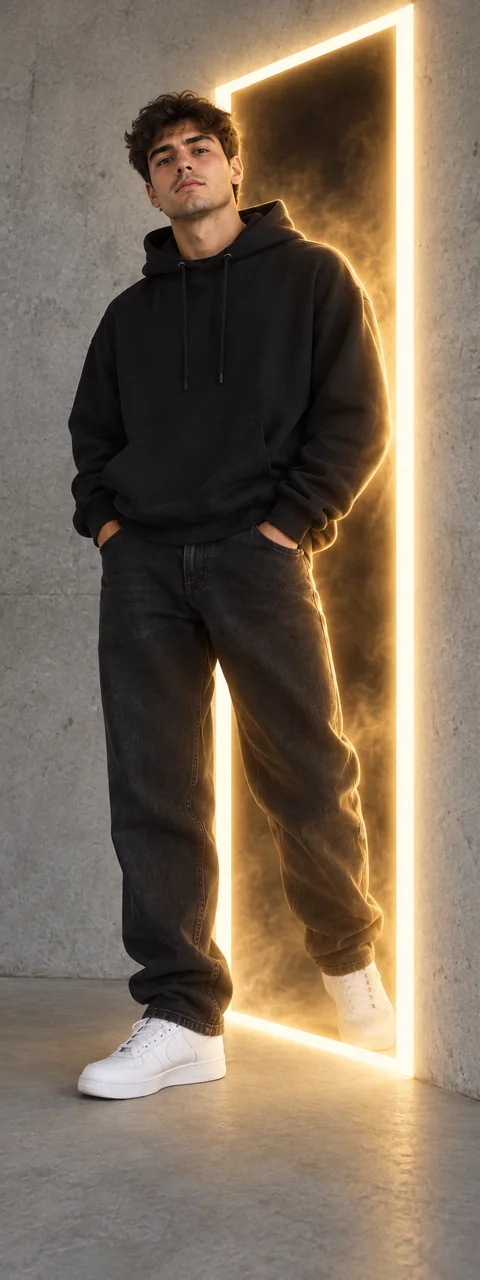
Keep the subject recognizable while it emerges partly through one luminous architectural portal.
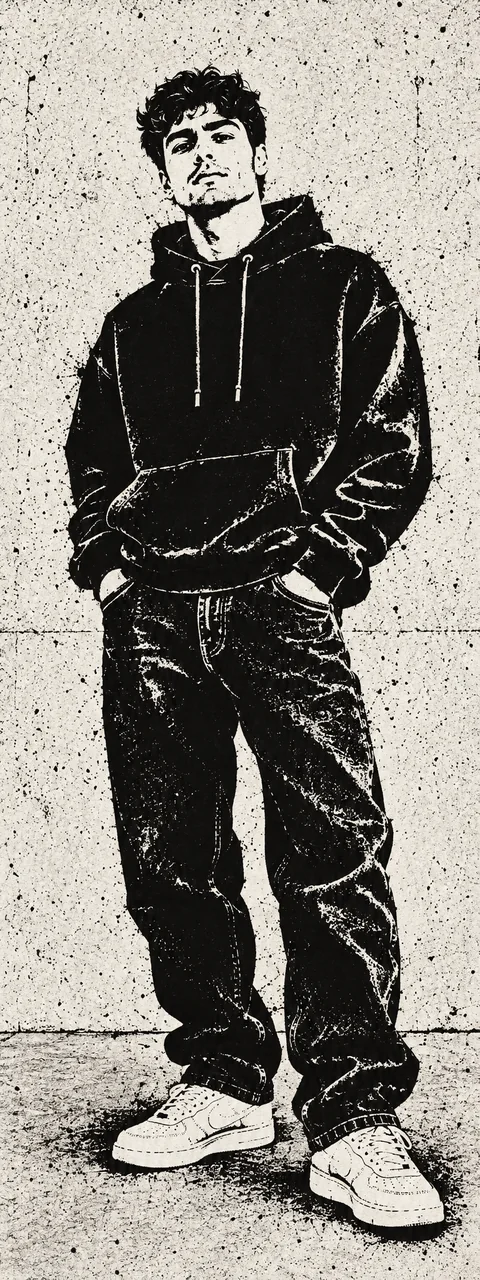
Convert the subject into a bold two-tone stencil print with connected negative-space bridges, rough ink edges and restrained spray texture.
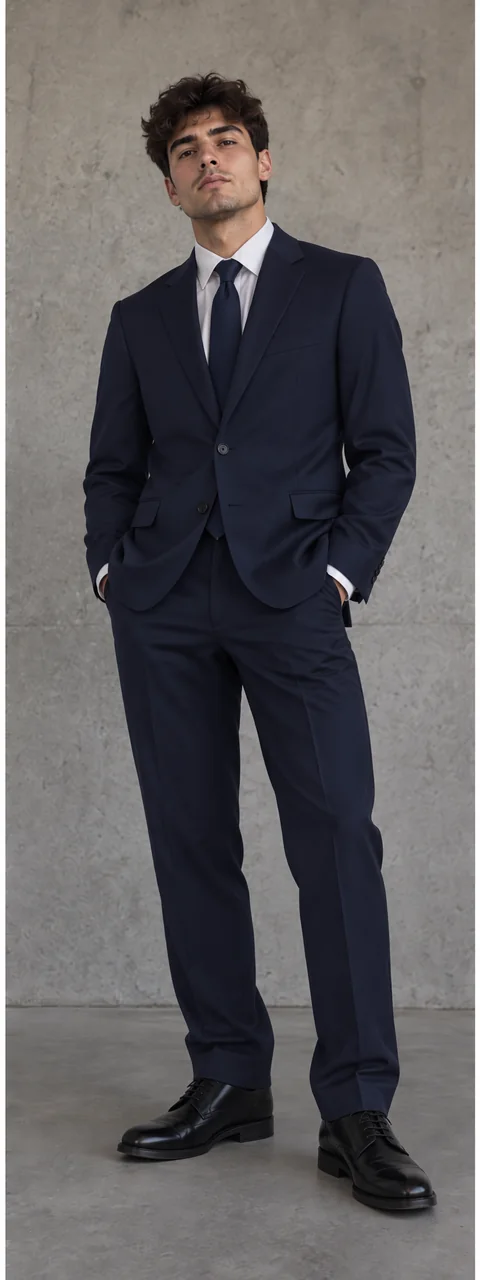
Dress the source subject in your chosen style, matching fabric folds and fit to the unchanged pose and body.
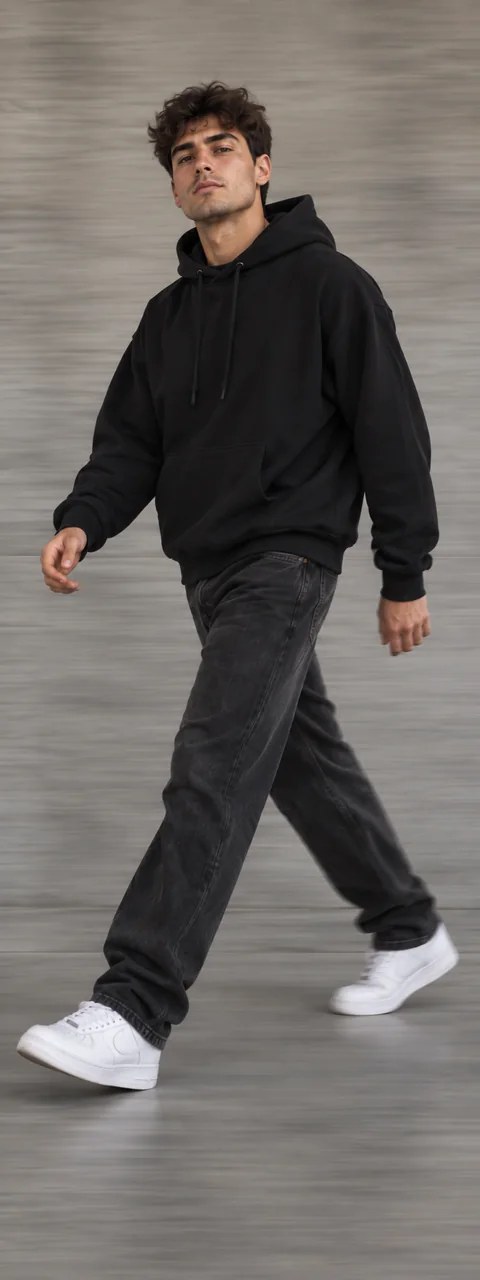
Show the same subject moving naturally across the frame, sharply tracked by the camera while the background forms directional horizontal motion blur.
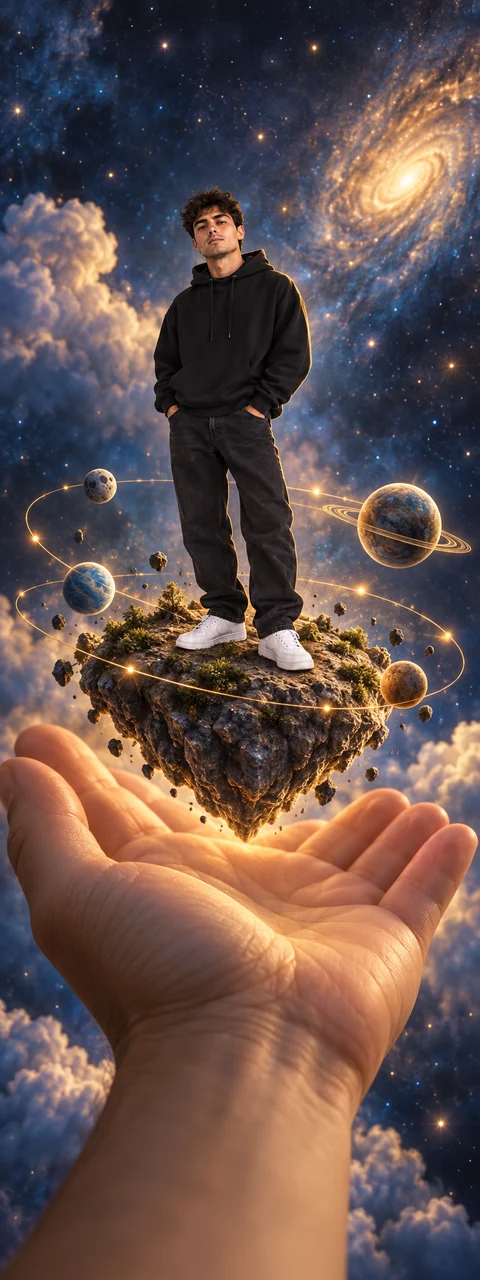
Place a recognizable miniature person inside a cosmic scene held above a palm.
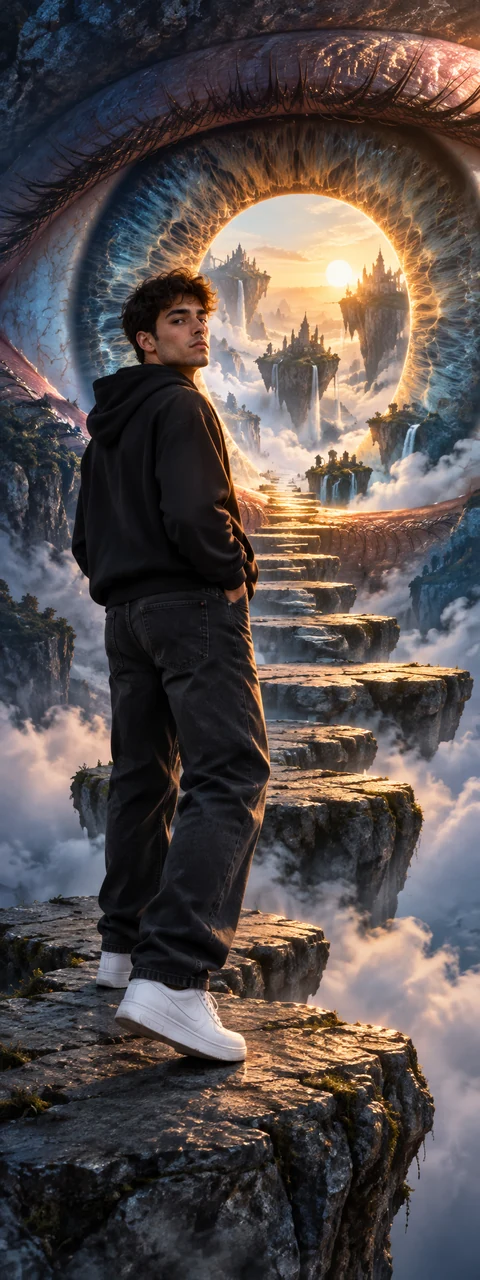
Step into a fantasy world through a monumental eye-shaped gateway.
These examples are still under review. Explore the available recipes above while we refine them.