/HAIR · CHATGPT
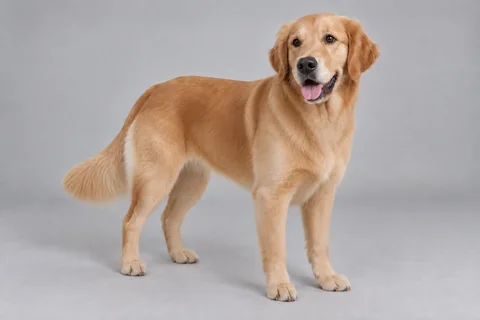
Hair or coat styling
Change only the hair or fur styling to your chosen style.
petspeople
Dress the source subject in your chosen style, matching fabric folds and fit to the unchanged pose and body.
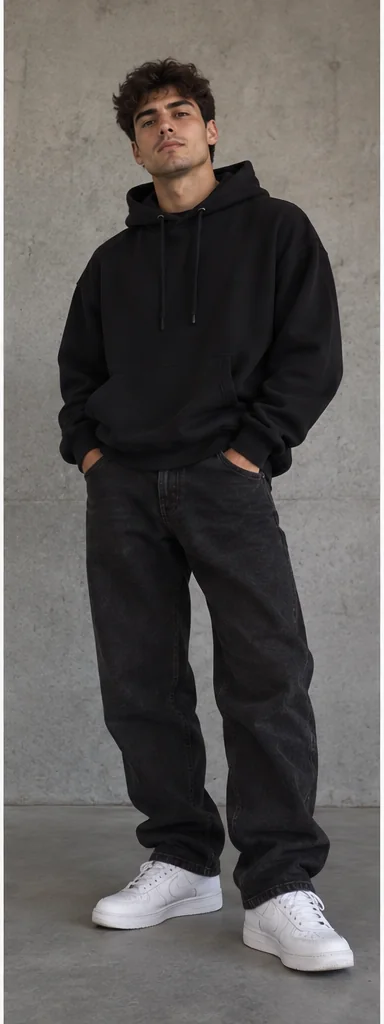
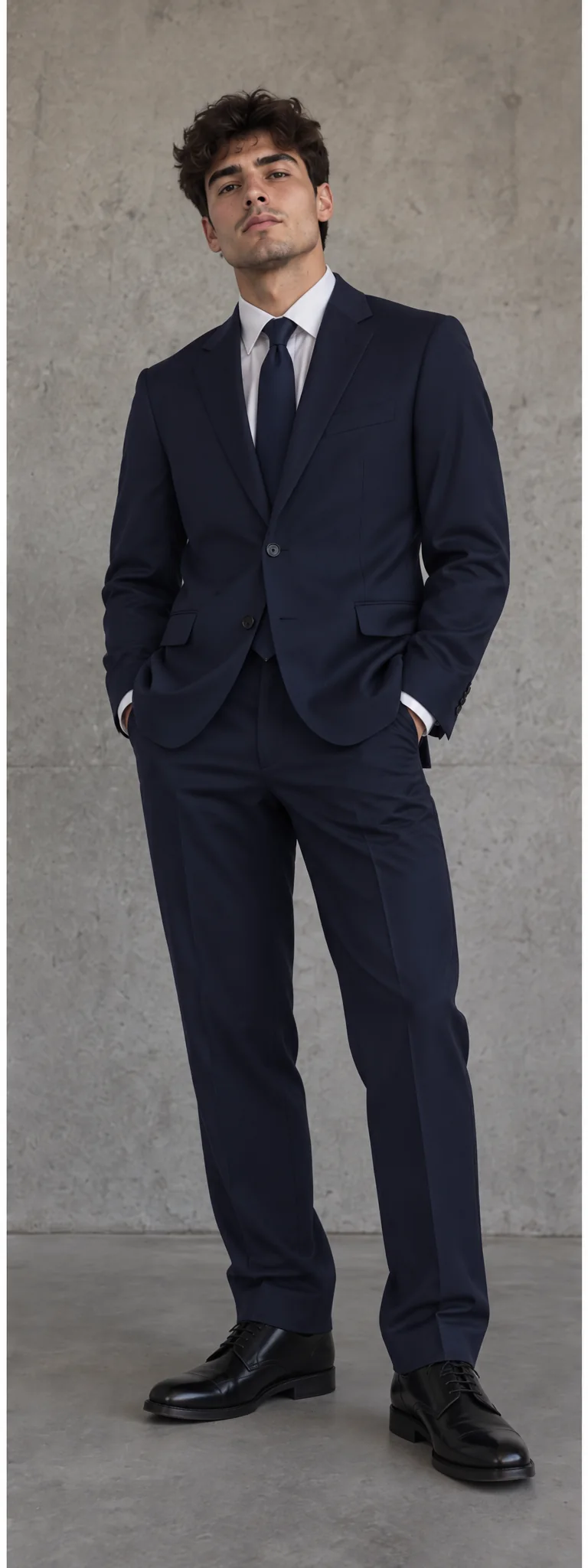
AI-generated illustrative transformation. Source created internally.
Use a pose with visible garment boundaries and describe the replacement style.
Dress the source subject in your chosen style, matching fabric folds and fit to the unchanged pose and body.
Compare subject count, recognizable identity, proportions and text against the original. Deliberate transformations are described in the prompt.
Use a source showing enough of the body to support the garment you want to change. A waist-up image cannot establish how trousers or a long coat fit below the frame.
Check sleeve connections, closures and hands against the original pose. If the body shape changes with the clothing, request the garment change on the existing proportions. Introduce one major wardrobe change before adding accessories.
/COSTUMEDESIGN — A drawn costume concept can explore construction more freely without pretending to be a photographic try-on.
These are editing suggestions, not additional test observations. Read the practical guide or use the before/after checklist.
Useful for outfit concepts. Check fit, folds and hands; a plausible visual result does not establish real garment sizing or fit.
Input advice and use cases are editorial guidance, not additional test results.
Suit fits original pose and identity coherently.
2026-09-20 · Work built-in image_gen
Readable astronaut outfit while preserving cat identity and paws.
2026-09-21 · Work built-in image_gen
These notes describe the named runs, which may use a different subject from the comparison above. They do not guarantee results on another input or a future model. See our testing method.
Change only the hair or fur styling to your chosen style.
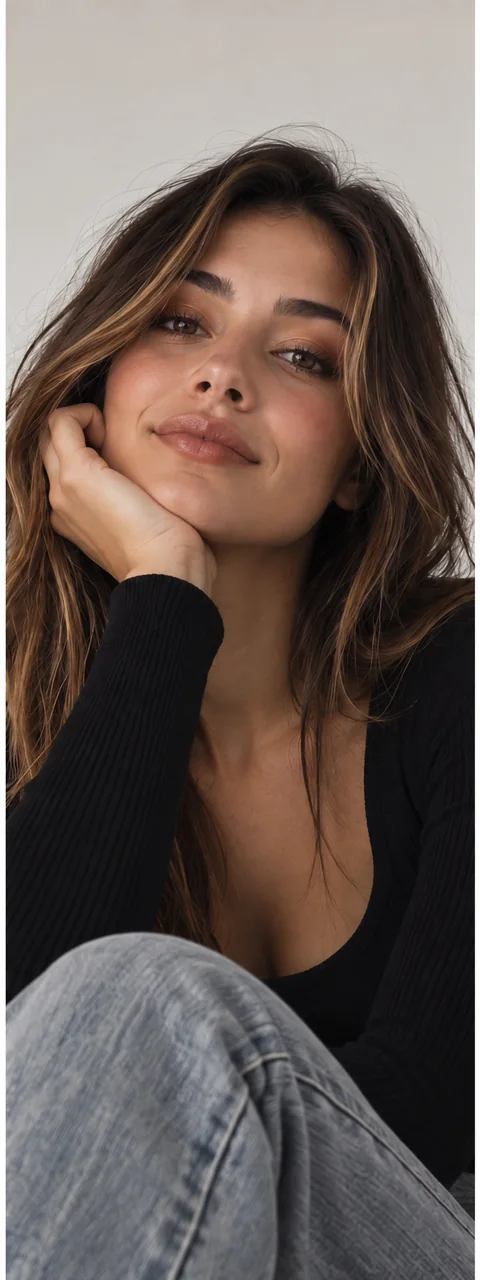
Apply your chosen style as cosmetic makeup to the existing face.
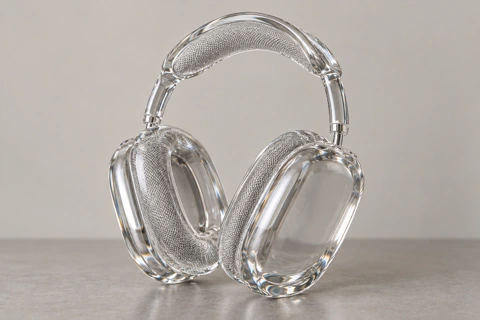
Reimagine the subject as a transparent glass sculpture, with clear edges and refraction.
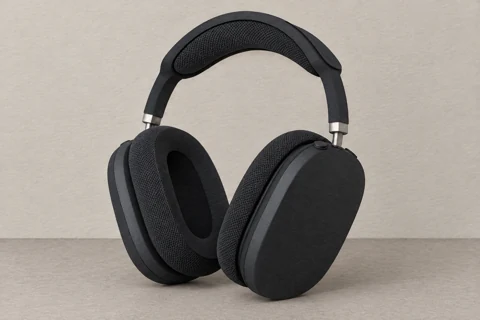
Build the subject from layered cut paper, with clean edges and soft shadows.