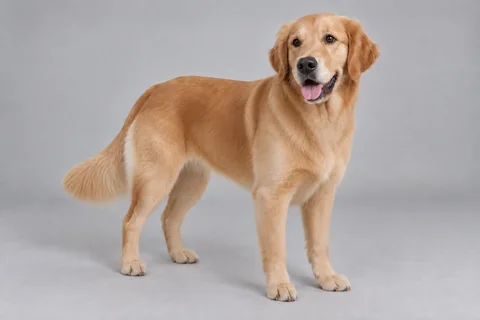
/HAIR · CHATGPT
Hair or coat styling
Change only the hair or fur styling to your chosen style.
petspeople
Apply your chosen style as cosmetic makeup to the existing face.
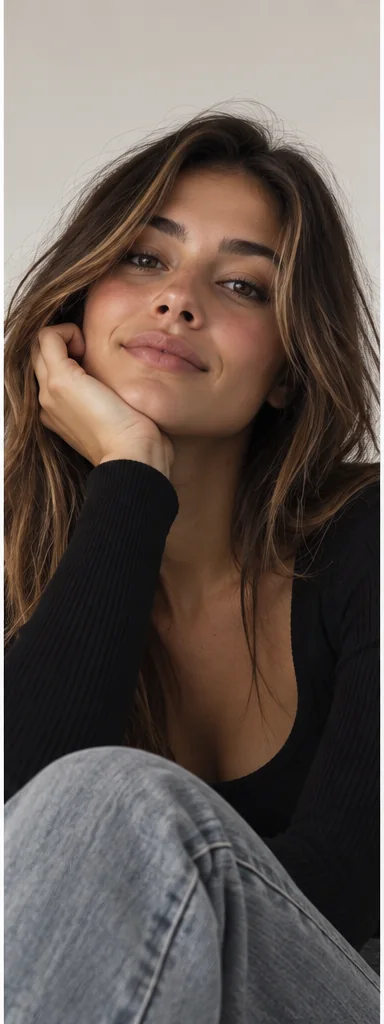
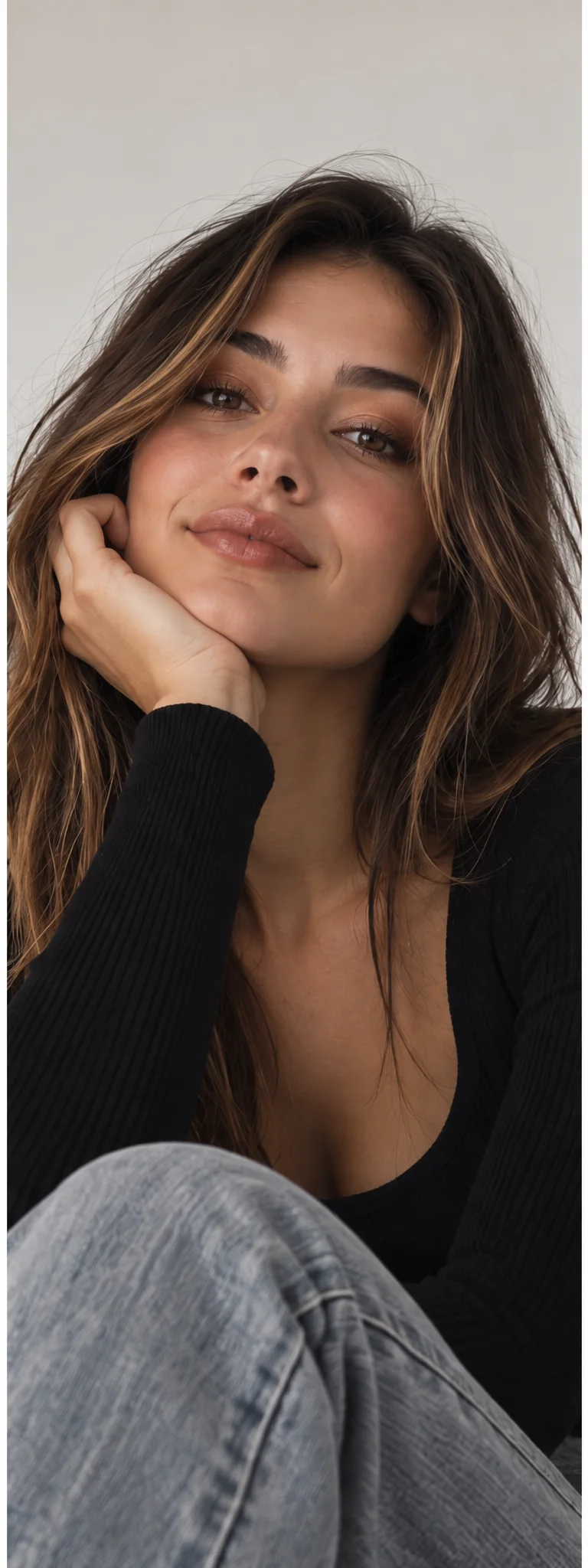
AI-generated illustrative transformation. Source created internally.
Use a clear, evenly lit face with visible natural skin texture.
Apply your chosen style as cosmetic makeup to the existing face.
Compare subject count, recognizable identity, proportions and text against the original. Deliberate transformations are described in the prompt.
Describe placement as well as color: a thin liner, lip finish or cheek accent gives a more bounded change than a general beauty request. Natural texture and facial landmarks should remain available for comparison.
If the edit reshapes the eyes or lips, return to the source and restrict the change to applied color. Check symmetry without demanding a perfectly mirrored face. Lighting can alter perceived color, so avoid treating the image as a shade match.
/HEADSHOT — A portrait presentation edit can improve framing without requiring any cosmetic change.
These are editing suggestions, not additional test observations. Read the practical guide or use the before/after checklist.
Useful for cosmetic styling ideas. Color placement should follow the existing face rather than reshape features or change identity.
Input advice and use cases are editorial guidance, not additional test results.
Subtle warm lips and eye definition; practical edit with preserved face.
2026-09-20 · Work built-in image_gen
These notes describe the named runs, which may use a different subject from the comparison above. They do not guarantee results on another input or a future model. See our testing method.
Change only the hair or fur styling to your chosen style.
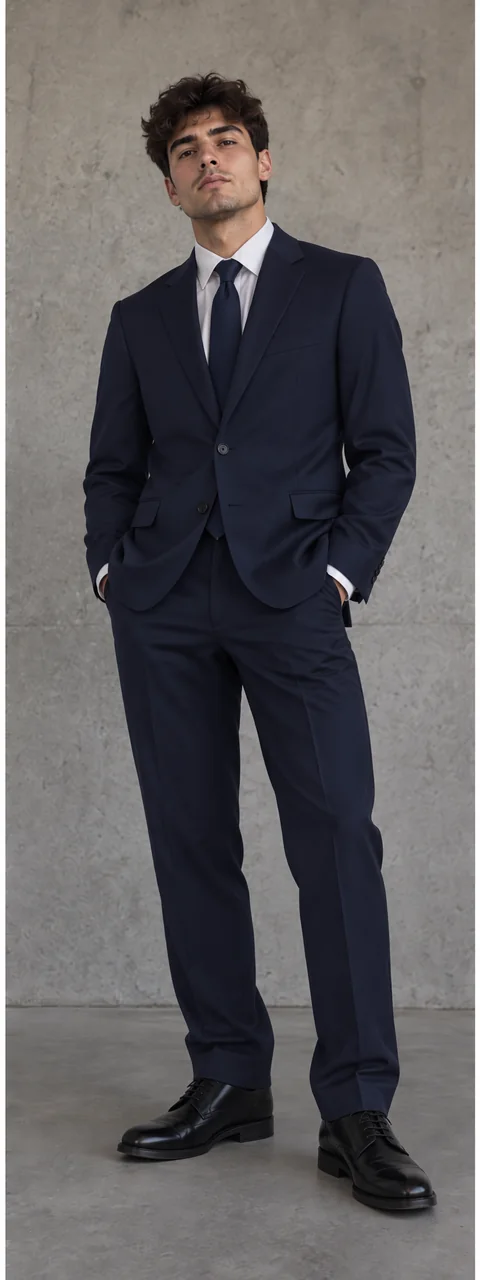
Dress the source subject in your chosen style, matching fabric folds and fit to the unchanged pose and body.
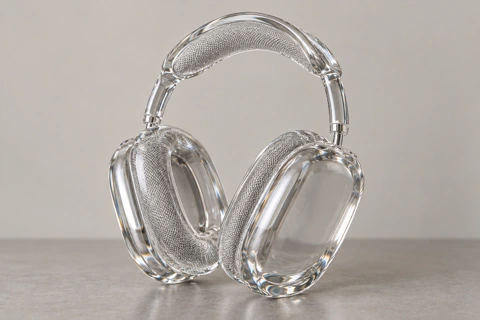
Reimagine the subject as a transparent glass sculpture, with clear edges and refraction.
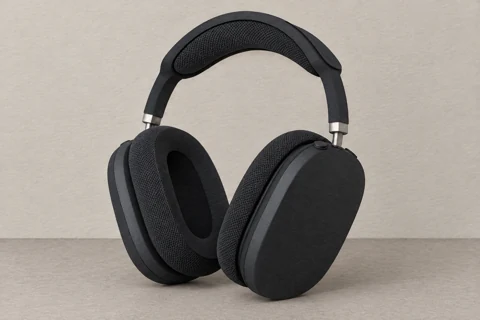
Build the subject from layered cut paper, with clean edges and soft shadows.