/CHROME · CHATGPT
Chrome finish
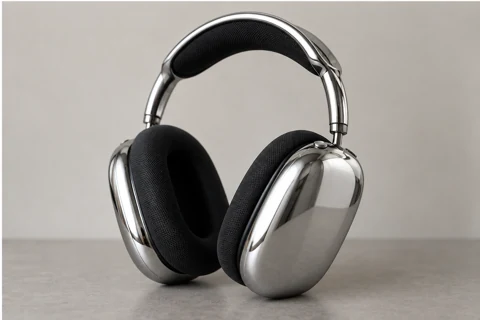
Apply a polished chrome surface while retaining recognizable shapes.
productspets
Explore studio settings, material finishes and advertising mockups for objects such as headphones and perfume. Use a clean product view with legible labels; specify the surfaces you want to change. Check packaging text and construction before using any concept commercially.
Explore 47 effects ↗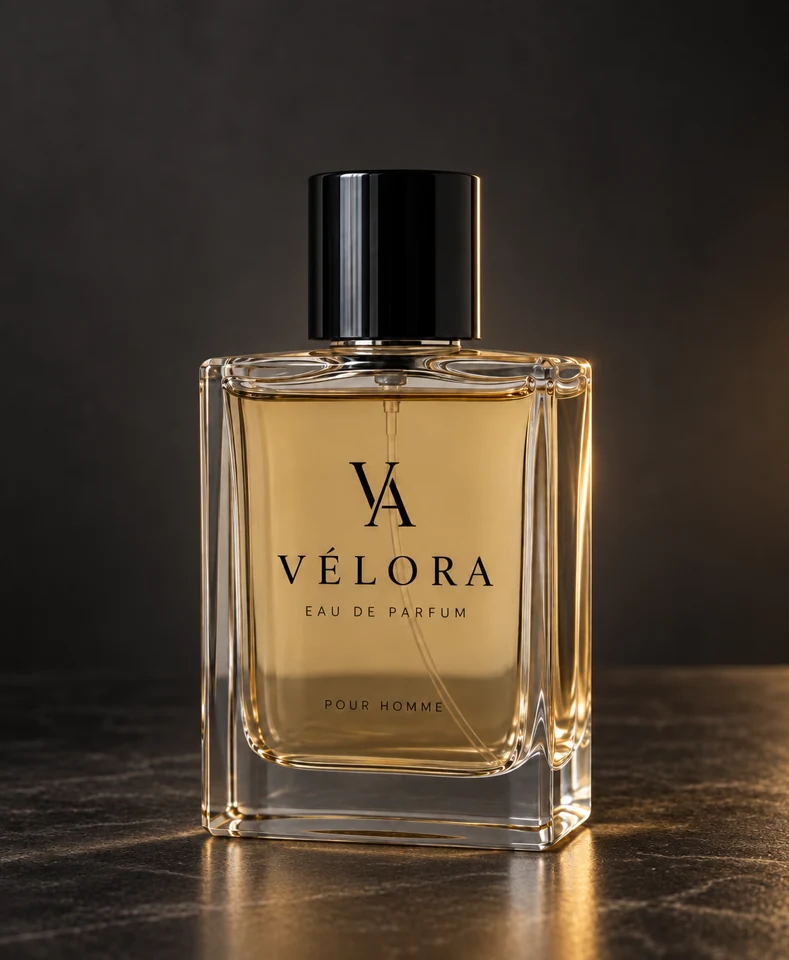
Apply a polished chrome surface while retaining recognizable shapes.
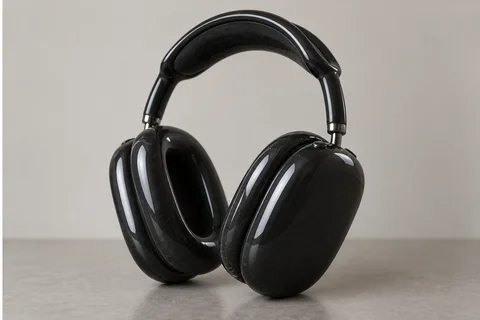
Translate the subject into a glazed porcelain collectible with subtle ceramic translucency at thin edges, glossy glaze and crisp sculpted features.
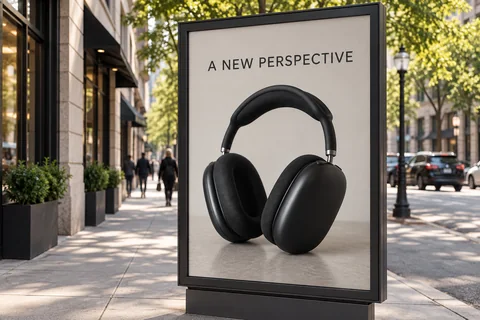
Display the source product photograph in one large fictional outdoor advertising panel within a believable streetscape.
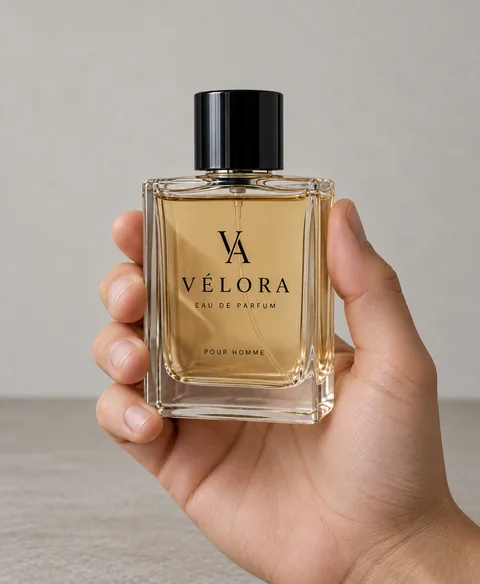
Show the unchanged product being naturally held or supported by one anatomically correct human hand in a simple lifestyle setting.
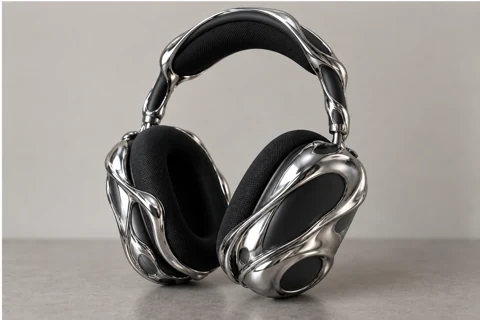
Wrap the subject in flowing polished metal while keeping its silhouette.
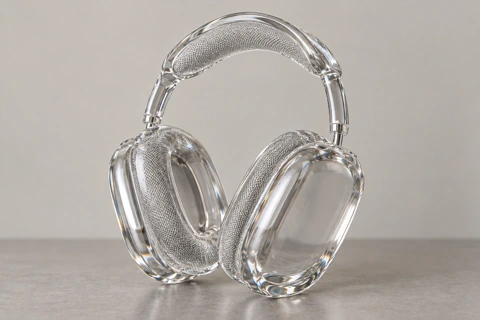
Reimagine the subject as a transparent glass sculpture, with clear edges and refraction.
Apply a polished chrome surface while retaining recognizable shapes.
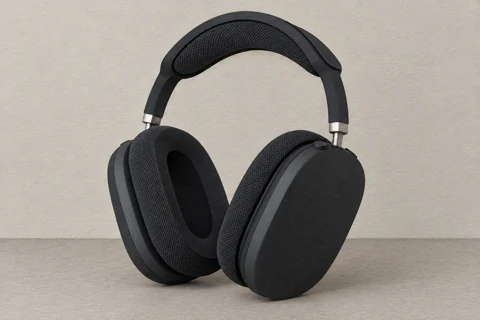
Build the subject from layered cut paper, with clean edges and soft shadows.
Find the right look for your photo.
47 effects with examples · 3 in testing
Wrap the subject in flowing polished metal while keeping its silhouette.
Reimagine the subject as a transparent glass sculpture, with clear edges and refraction.
Apply a polished chrome surface while retaining recognizable shapes.
Build the subject from layered cut paper, with clean edges and soft shadows.
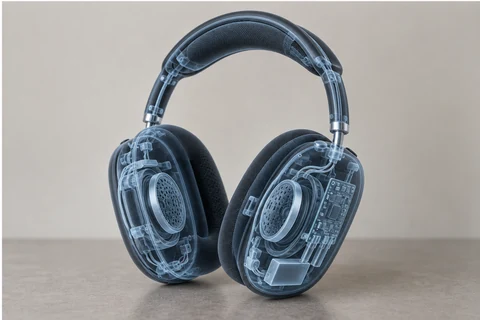
Create a fictional X-ray style illustration. Internal structures are illustrative, not factual.
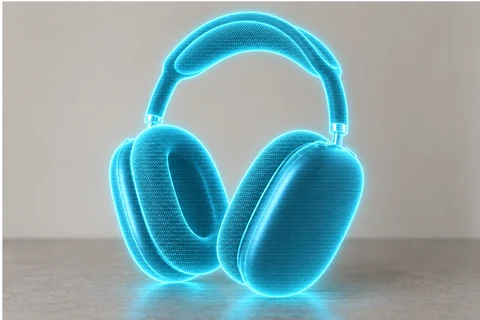
Recreate the subject as a cyan holographic projection with a clear outer contour.
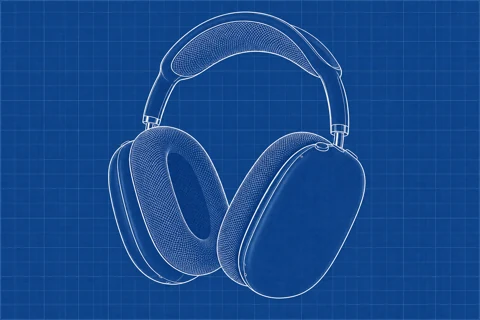
Make an illustrative blueprint with clear outlines. Do not invent measurements or specifications.
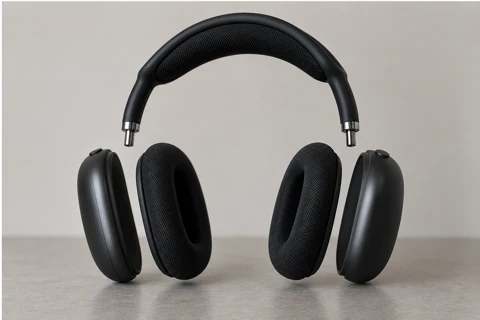
Separate the known components along a clear axis. Label unknown internal details as fictional.
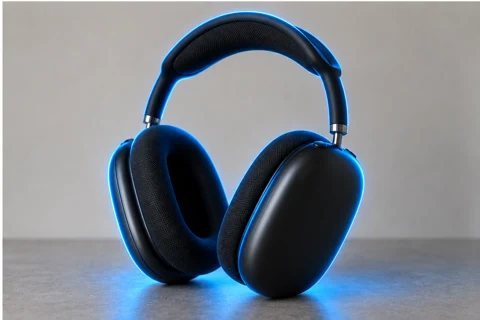
Add electric blue rim lighting while keeping the original scene and readable details.
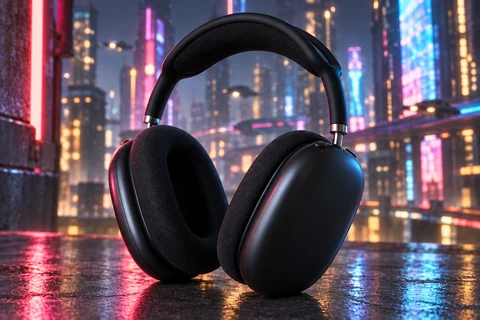
Place the subject in a cinematic futuristic city, balancing colored light with believable shadows.
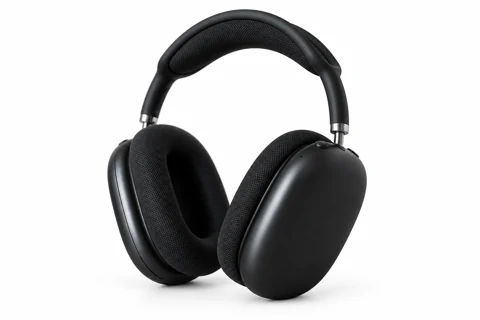
Isolate the subject against a clean neutral background, preserving fine edges.
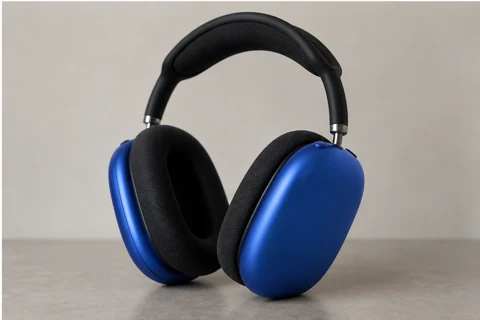
Change only the selected surface color and retain its texture, lighting and geometry.
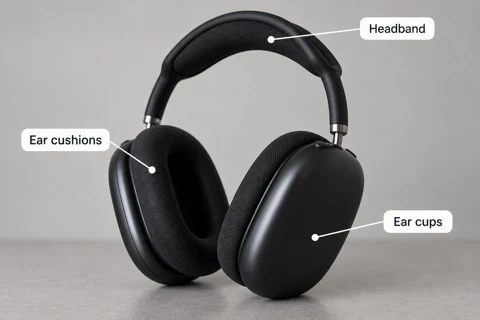
Turn the supplied product photo into a clear feature diagram. Use only provided facts and labels, never invented specifications.
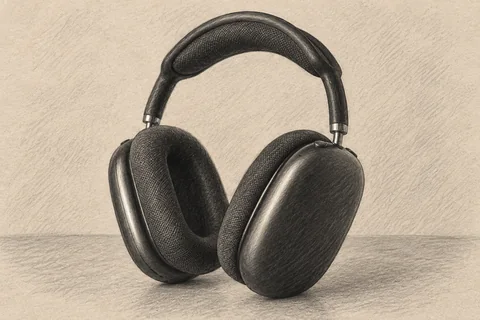
Render the subject as a hand-drawn graphite study on warm drawing paper.
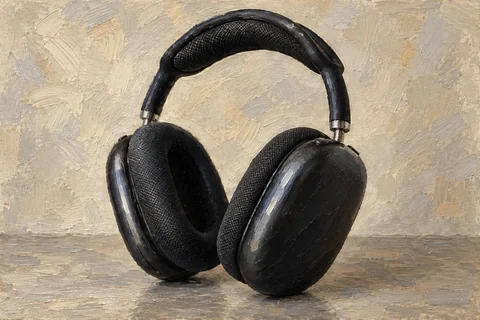
Paint the subject in richly layered oil on canvas.
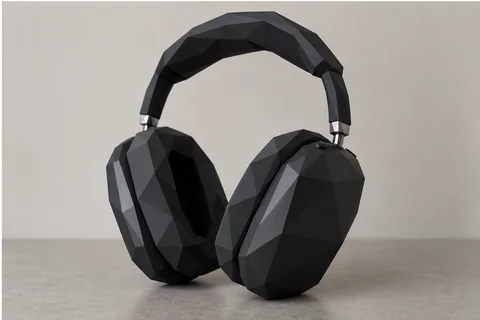
Rebuild the visible subject as an angular low-poly sculpture made from broad flat polygon facets.
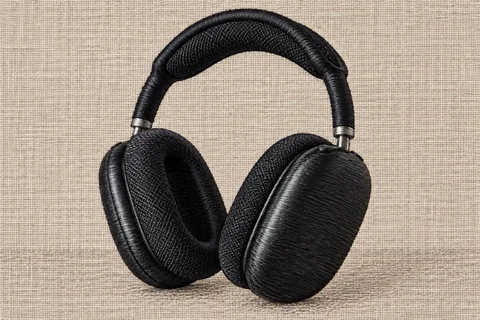
Recreate the subject as dense embroidery on a flat linen panel.
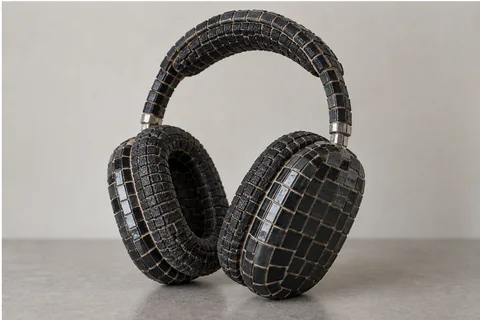
Reconstruct the subject in small ceramic tesserae with visible grout gaps.
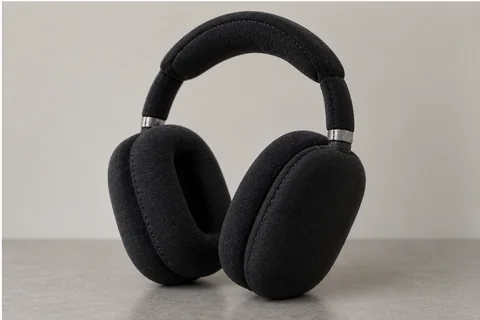
Transform the subject into a soft stuffed plush collectible with short fabric pile, stitched seams and gently simplified rounded construction.
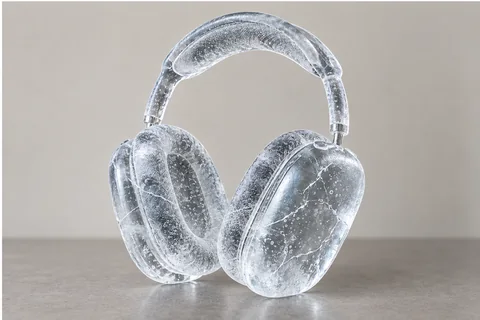
Replace the subject material with carved clear ice.

Turn the subject into an expertly carved walnut object.
Translate the subject into a glazed porcelain collectible with subtle ceramic translucency at thin edges, glossy glaze and crisp sculpted features.
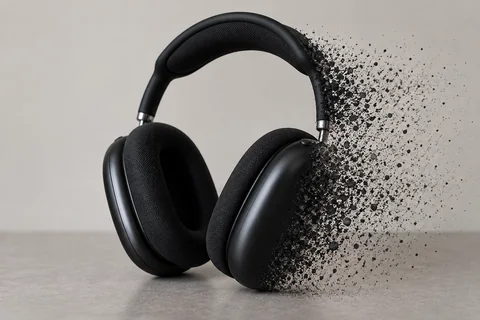
Keep most of the subject intact and recognizable while one outer side progressively dissolves into thousands of small particles moving laterally.
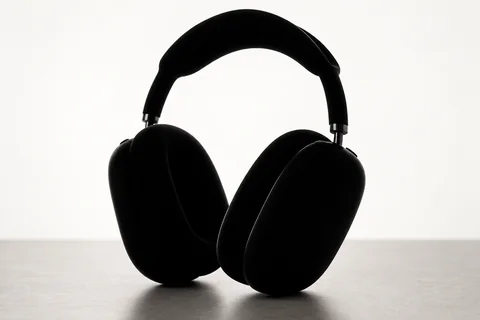
Reduce the subject to a clean near-black silhouette against a bright simple background, preserving distinctive outer contours and pose.
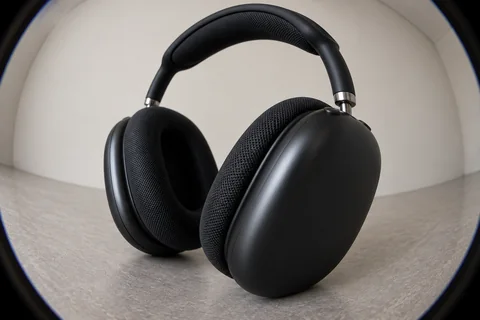
Reframe the same subject through a close wide fisheye lens.
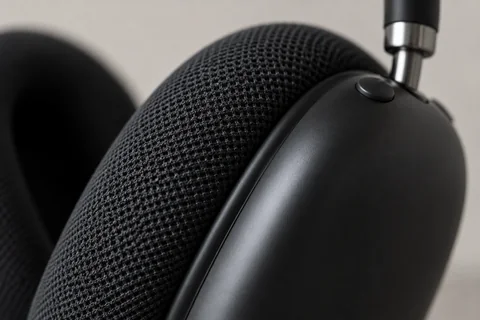
Create an extreme photographic close-up of one distinctive visible detail of the source subject.
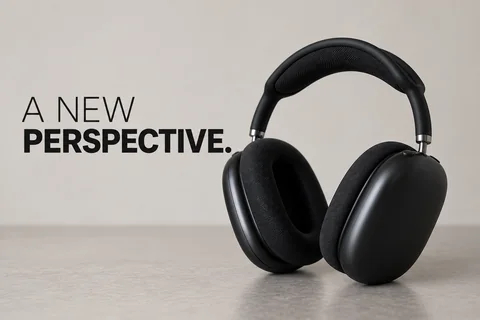
Compose a clean poster using the same subject as the hero with generous negative space and an intentional typographic hierarchy.
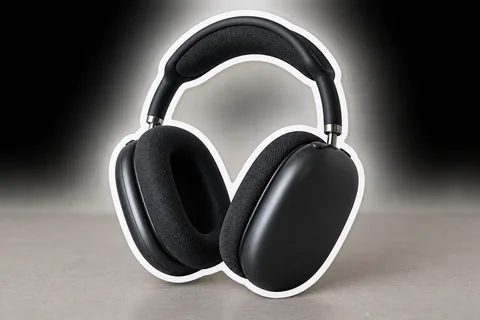
Create a single high-quality die-cut sticker of the subject, with a crisp white contour border and slight paper thickness on a plain backing.
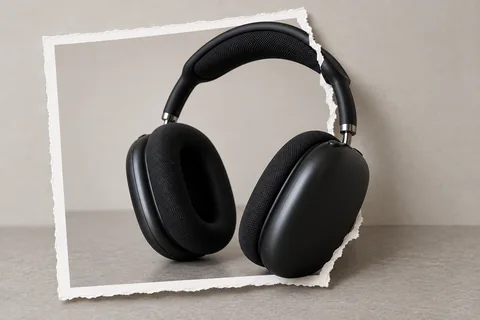
Show a single printed photograph containing the subject, with one continuous part of the subject extending beyond its torn paper edge into the surrounding space.
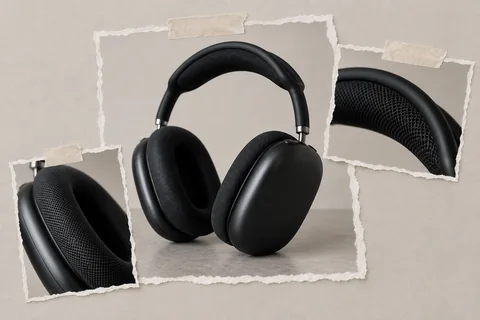
Arrange three deliberate cut photographic fragments of the source into a balanced tactile editorial collage on plain paper.
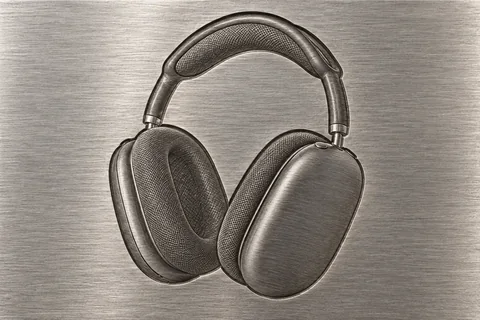
Depict the subject as a shallow engraved relief on a brushed metal plaque.
Display the source product photograph in one large fictional outdoor advertising panel within a believable streetscape.
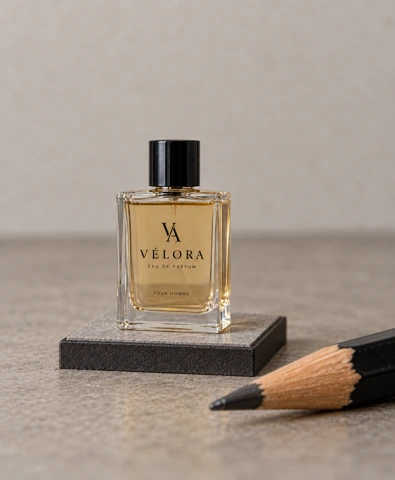
Make the scene read as a small-scale diorama through scale cues and selective focus.
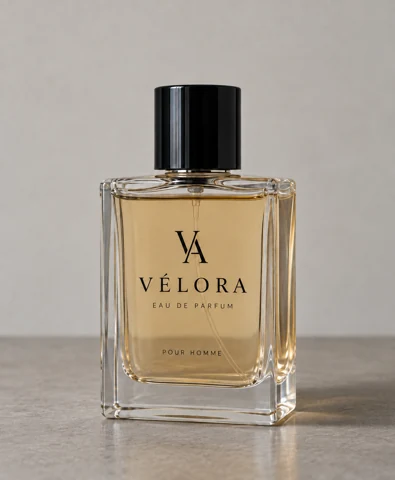
Add a grounded contact shadow matching the light direction without altering the product.
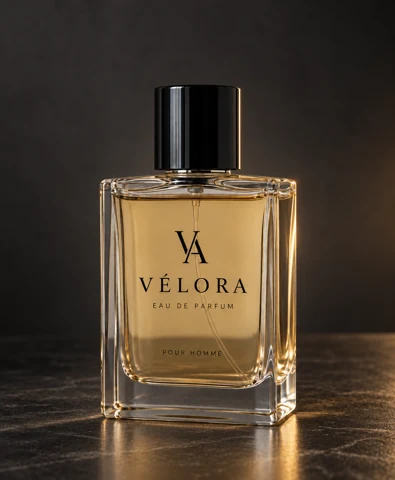
Build a restrained premium studio setting around the product with controlled light and material contrast.
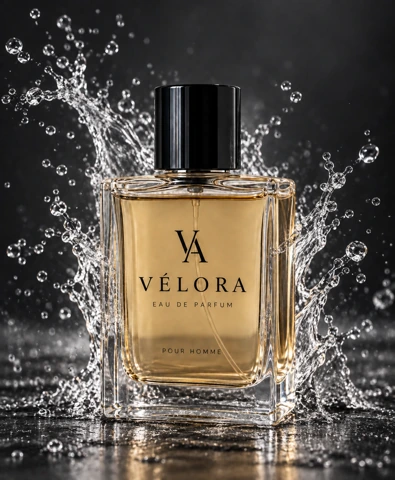
Surround the product with a frozen splash while keeping its label visible and shape intact.
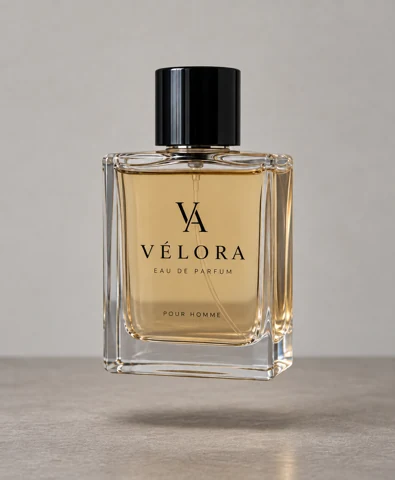
Suspend the complete product above a surface with believable orientation and shadow. Do not disassemble it.
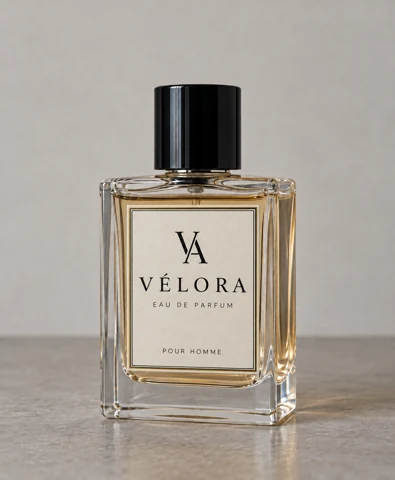
Redesign the supplied package as a concept, preserving its basic form. Use only supplied label text.
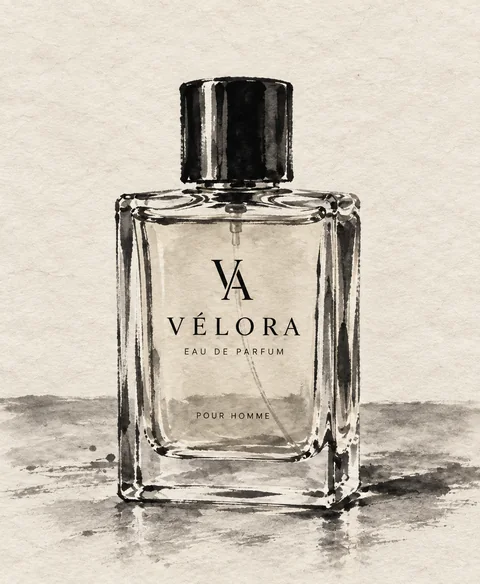
Translate the subject into expressive black brush ink on off-white rice paper.
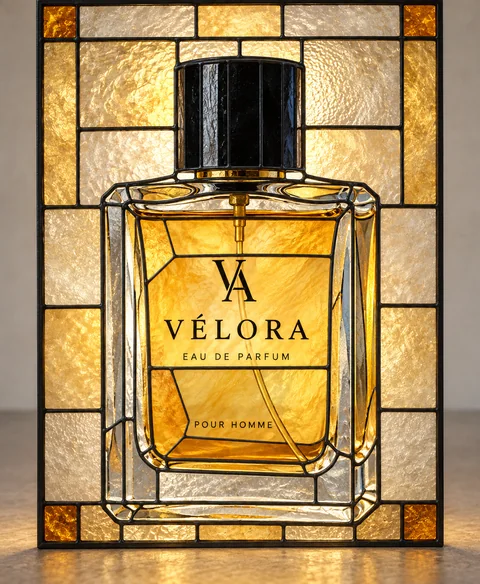
Create a luminous stained-glass panel depicting the subject.
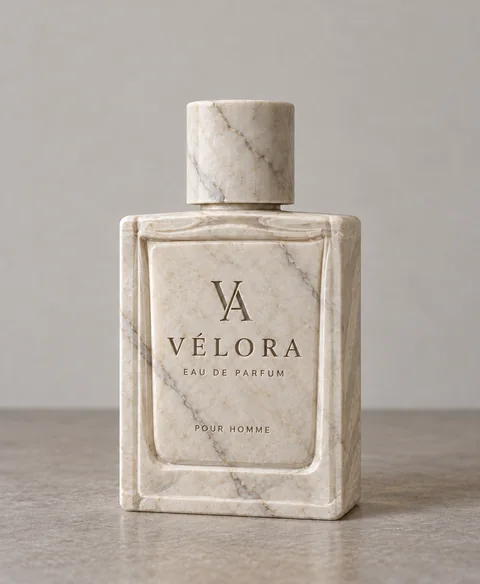
Reinterpret the subject as a carved pale marble sculpture.
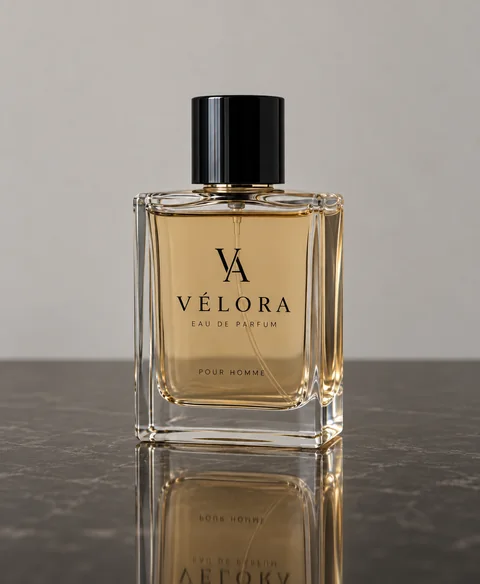
Place the unchanged subject on a polished dark reflective floor.
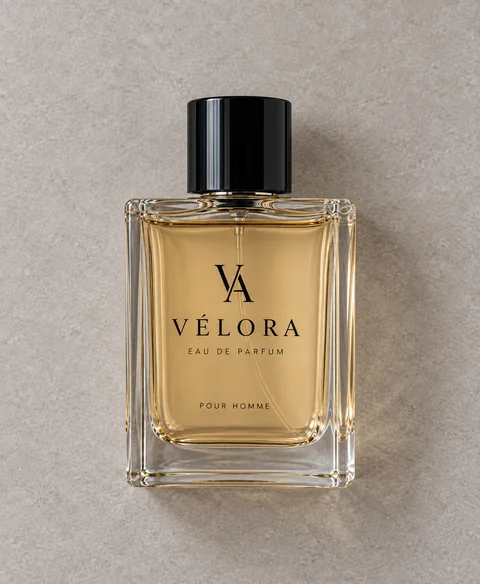
Reimagine the subject photographed directly from above, with a clean readable overhead composition, plausible perspective and consistent soft shadows.
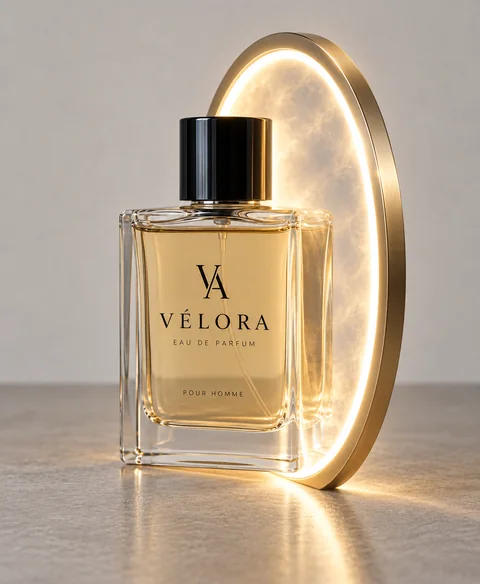
Keep the subject recognizable while it emerges partly through one luminous architectural portal.
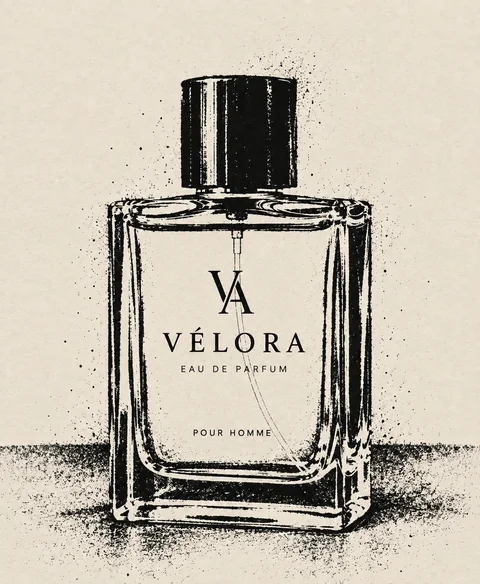
Convert the subject into a bold two-tone stencil print with connected negative-space bridges, rough ink edges and restrained spray texture.

Place the unchanged product on a tasteful retail display shelf with coherent scale, materials and store lighting.
Show the unchanged product being naturally held or supported by one anatomically correct human hand in a simple lifestyle setting.
These examples are still under review. Explore the available recipes above while we refine them.