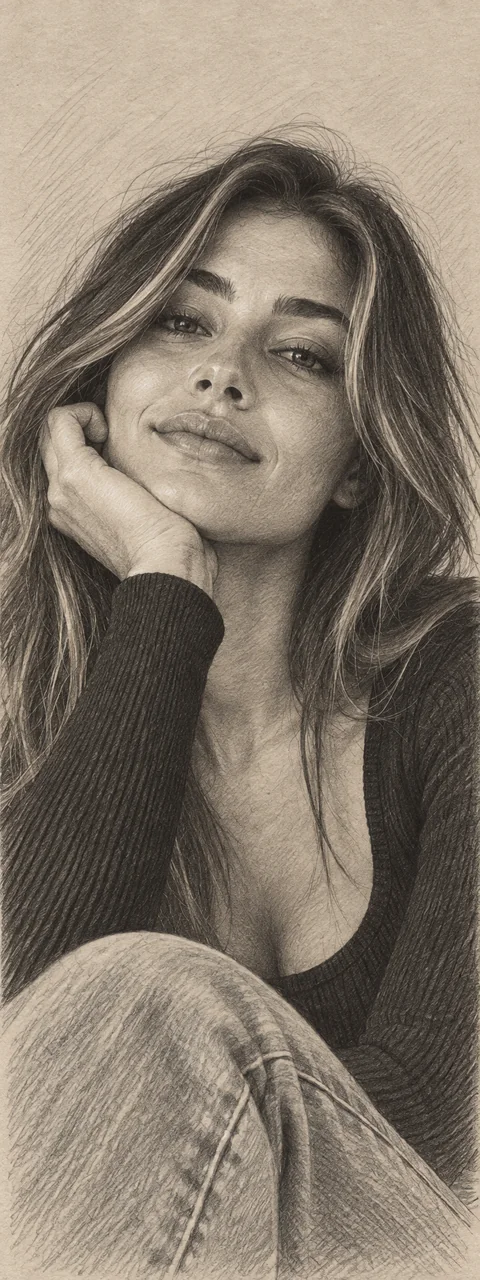
/SKETCH · CHATGPT
Graphite sketch
Render the subject as a hand-drawn graphite study on warm drawing paper.
peoplepets
Translate the subject into expressive black brush ink on off-white rice paper.
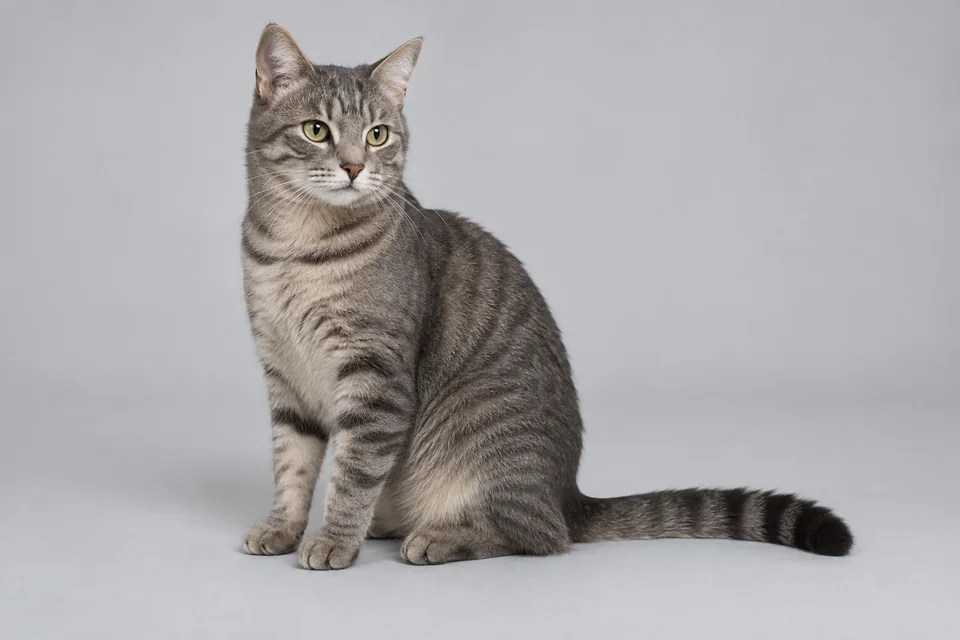
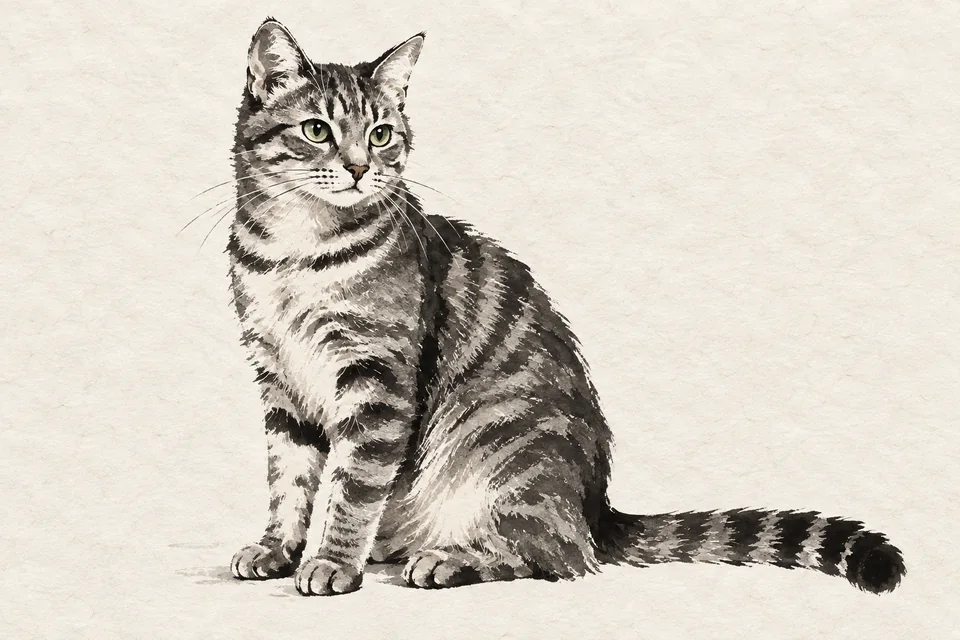
AI-generated illustrative transformation. Source created internally.
Use a subject with a strong silhouette that remains legible in black brushwork.
Translate the subject into expressive black brush ink on off-white rice paper.
Compare subject count, recognizable identity, proportions and text against the original. Deliberate transformations are described in the prompt.
Decide where solid black can simplify the image without closing important gaps. Open areas between limbs, handles or facial features often carry as much information as the brush marks.
When details merge into one dark patch, enlarge the negative space locally. Avoid requesting both delicate hairlines and heavy brush coverage everywhere. A limited set of stroke widths can keep the illustration coherent.
/LINOCUT — Carved print marks create a more constrained pattern of white cuts and black surfaces.
These are editing suggestions, not additional test observations. Read the practical guide or use the before/after checklist.
Useful for expressive brush-ink illustration. Inspect negative space around fine details so broad ink shapes do not merge important parts.
Input advice and use cases are editorial guidance, not additional test results.
Brush ink and preserved tabby markings; tiny green eye accent retained.
2026-09-20 · Work built-in image_gen
Negative-space ink marks keep single burger recognizable.
2026-09-20 · Work built-in image_gen
These notes describe the named runs, which may use a different subject from the comparison above. They do not guarantee results on another input or a future model. See our testing method.
Render the subject as a hand-drawn graphite study on warm drawing paper.
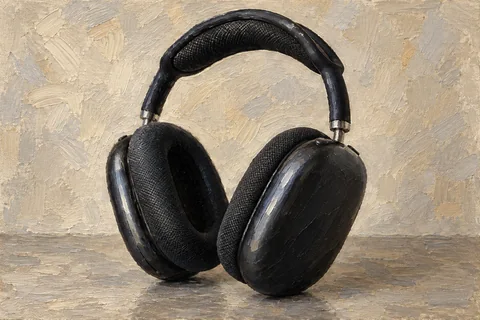
Paint the subject in richly layered oil on canvas.
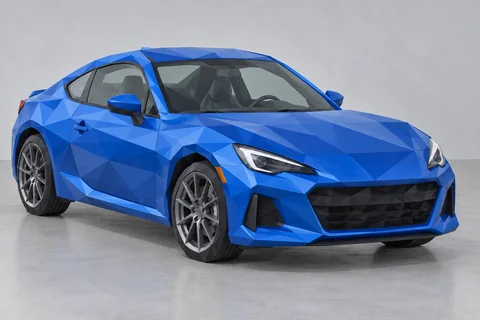
Rebuild the visible subject as an angular low-poly sculpture made from broad flat polygon facets.
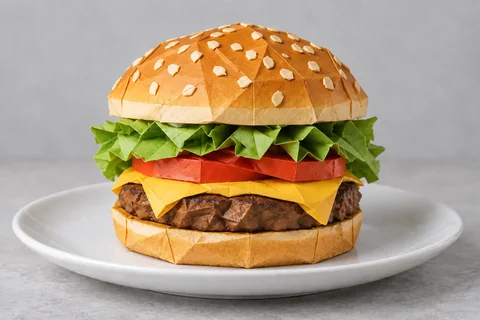
Turn the subject into one freestanding folded-paper sculpture.