
/SKETCH · CHATGPT
Graphite sketch
Render the subject as a hand-drawn graphite study on warm drawing paper.
peoplepets
Create a luminous stained-glass panel depicting the subject.
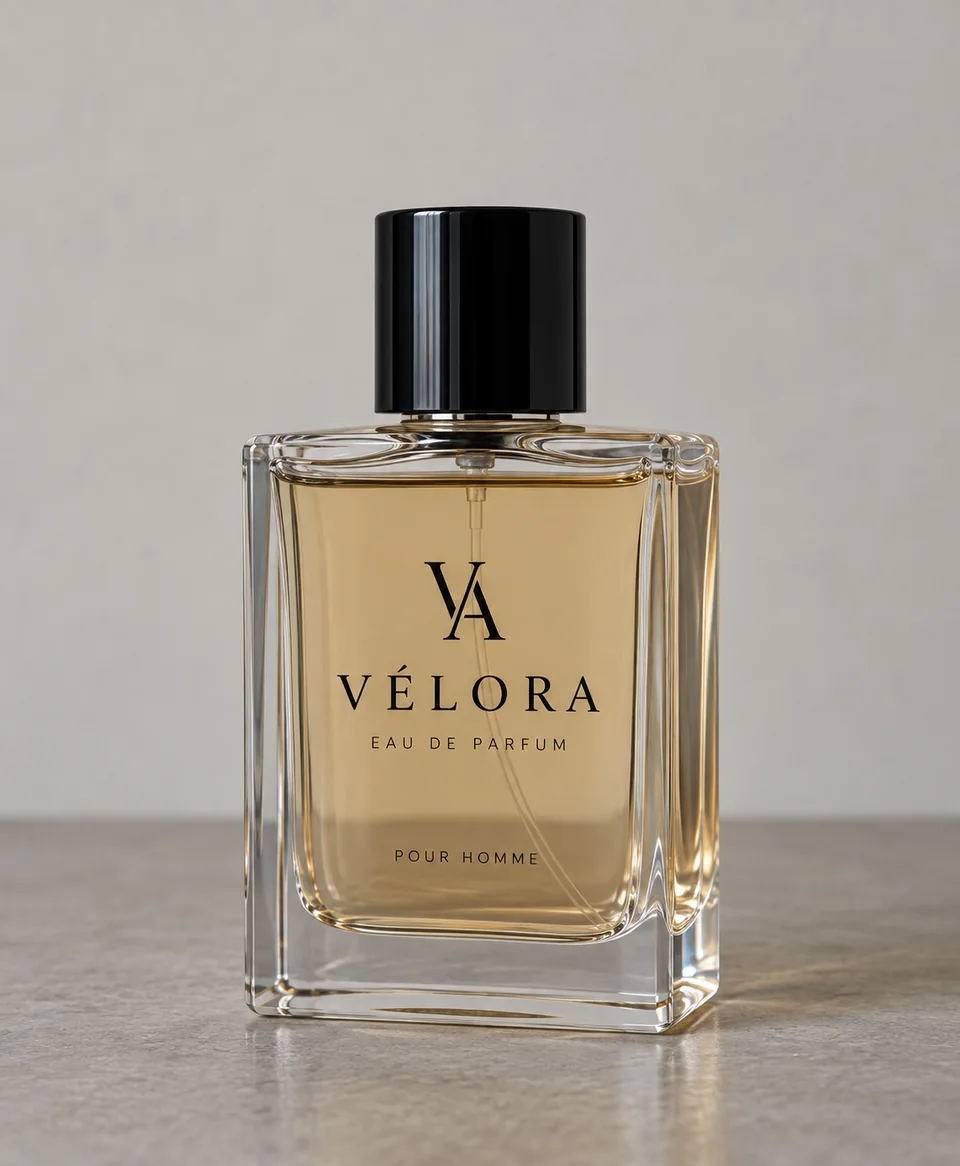
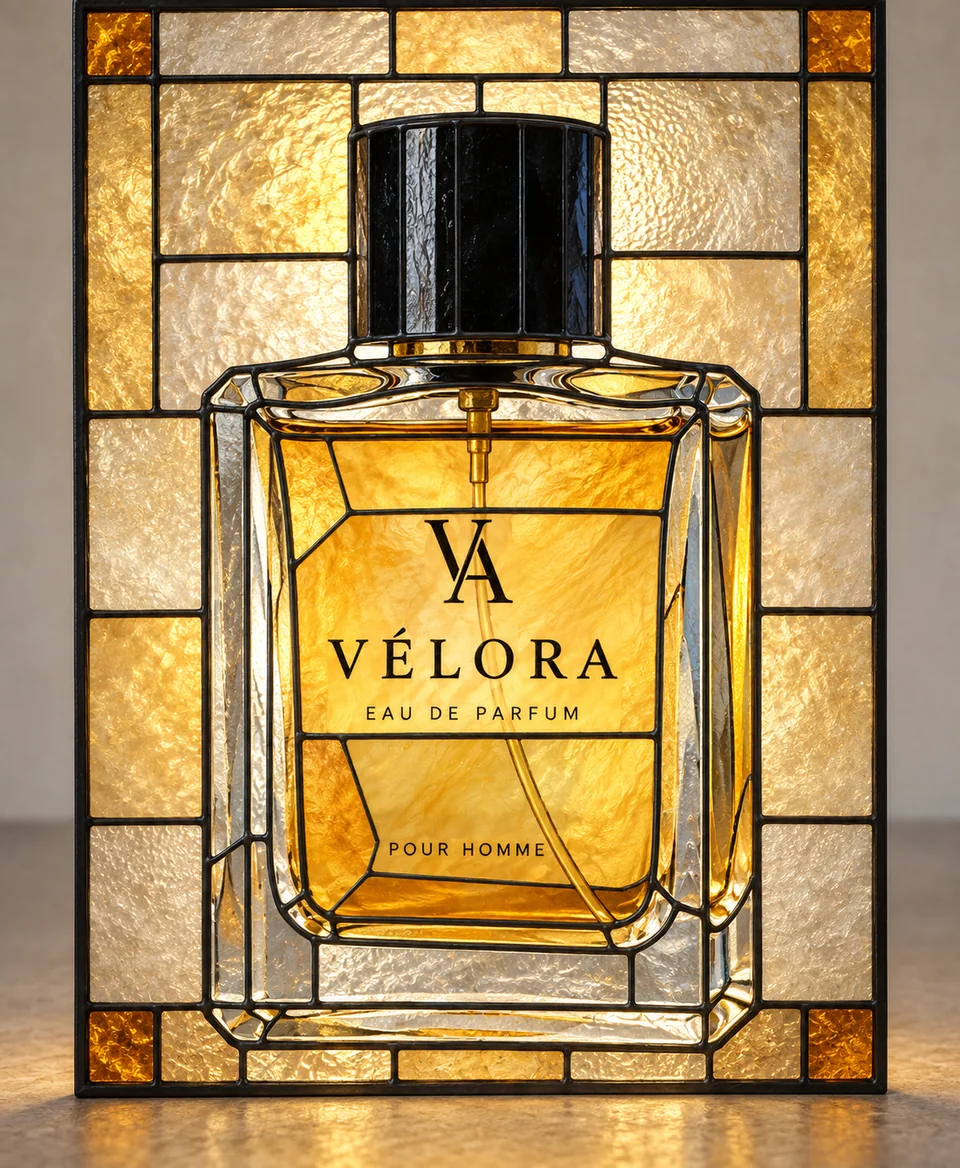
AI-generated illustrative transformation. Source created internally.
Use a subject that can be divided into bounded color regions on a panel.
Create a luminous stained-glass panel depicting the subject.
Compare subject count, recognizable identity, proportions and text against the original. Deliberate transformations are described in the prompt.
Build the composition from colored regions that can support meaningful lead lines. Faces and small logos need particular care because an arbitrary line through a key feature can change the expression or wording.
Ask for fewer divisions around eyes and mouth if recognition suffers. Check that light appears to pass through the colored glass rather than merely reflecting off painted panels. Simplified backgrounds leave more room for the main design.
/MOSAIC — A mosaic tolerates many smaller pieces and does not need the same lead-line structure.
These are editing suggestions, not additional test observations. Read the practical guide or use the before/after checklist.
Useful for stained-glass artwork. Lead lines should support the design, not create accidental facial divisions or unreadable product labels.
Input advice and use cases are editorial guidance, not additional test results.
Lead outlines and translucent colored glass clearly transform the perfume bottle; label readable.
2026-09-20 · Work built-in image_gen
Stained glass burger with clear ingredient structure.
2026-09-20 · Work built-in image_gen
These notes describe the named runs, which may use a different subject from the comparison above. They do not guarantee results on another input or a future model. See our testing method.
Render the subject as a hand-drawn graphite study on warm drawing paper.
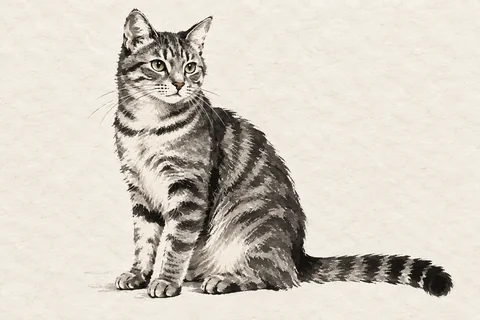
Translate the subject into expressive black brush ink on off-white rice paper.

Paint the subject in richly layered oil on canvas.

Rebuild the visible subject as an angular low-poly sculpture made from broad flat polygon facets.