
/SKETCH · CHATGPT
Graphite sketch
Render the subject as a hand-drawn graphite study on warm drawing paper.
peoplepets
Recreate the subject as dense embroidery on a flat linen panel.

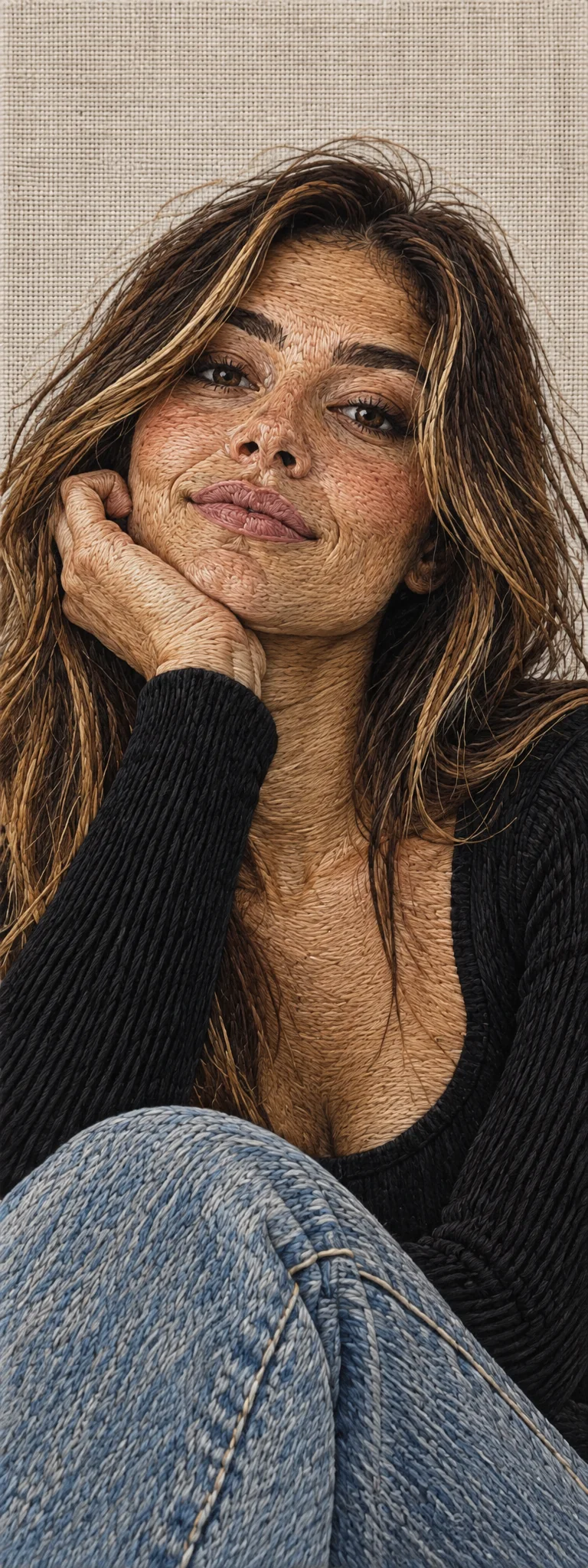
AI-generated illustrative transformation. Source created internally.
Choose a clear silhouette and a small set of defining color regions.
Recreate the subject as dense embroidery on a flat linen panel.
Compare subject count, recognizable identity, proportions and text against the original. Deliberate transformations are described in the prompt.
Thread direction should help describe the form. Broad satin stitches can fill simple shapes, while shorter stitches preserve a few important markings. Small lettering may need to be removed or separately designed.
If the result looks printed on cloth, request visible overlapping threads in the subject. Check that stitch scale remains consistent across the image. This is a visual textile concept, not instructions for an embroidery machine.
/CROSSSTITCH — Counted X stitches create a visibly gridded construction and different limits on curves and fine detail.
These are editing suggestions, not additional test observations. Read the practical guide or use the before/after checklist.
Useful for textile illustration concepts. Stitches should construct the image on linen; the result is not a machine embroidery pattern.
Input advice and use cases are editorial guidance, not additional test results.
Embroidery stitches define recognizable portrait and textile surface.
2026-09-20 · Work built-in image_gen
Yarn burger ingredients and plate legible.
2026-09-20 · Work built-in image_gen
These notes describe the named runs, which may use a different subject from the comparison above. They do not guarantee results on another input or a future model. See our testing method.
Render the subject as a hand-drawn graphite study on warm drawing paper.
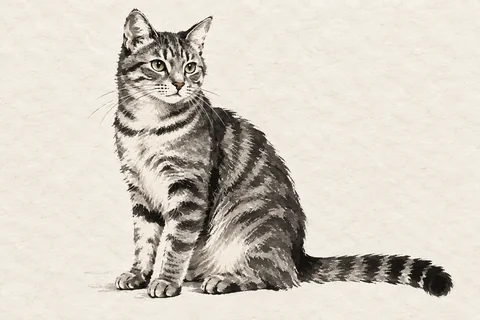
Translate the subject into expressive black brush ink on off-white rice paper.
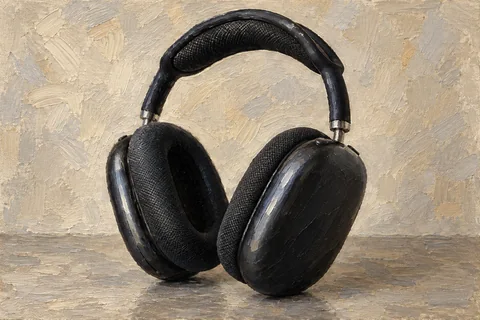
Paint the subject in richly layered oil on canvas.
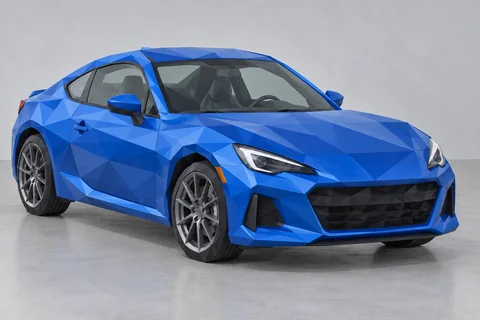
Rebuild the visible subject as an angular low-poly sculpture made from broad flat polygon facets.