
/STICKER · CHATGPT
Die-cut sticker
Create a single high-quality die-cut sticker of the subject, with a crisp white contour border and slight paper thickness on a plain backing.
petspeople
Place the unchanged subject on a polished dark reflective floor.


AI-generated illustrative transformation. Source created internally.
Use a subject with a visible base and enough space for a reflected image below it.
Place the unchanged subject on a polished dark reflective floor.
Compare subject count, recognizable identity, proportions and text against the original. Deliberate transformations are described in the prompt.
Reflections should align with the contact plane and become less prominent than the object they repeat. A glossy tabletop is different from a mirror-like wall; decide which surface is doing the reflecting.
Check alignment at the base and whether the reflected form invents extra parts. Reduce reflection sharpness if it competes with the subject. Do not treat hidden reflected details as recovered information about the original object.
/MIRROR — A visible mirror introduces a separate viewpoint and more demanding geometry than a simple floor reflection.
These are editing suggestions, not additional test observations. Read the practical guide or use the before/after checklist.
Useful for a polished-floor composition. Inspect alignment at the floor and distinguish an intentional reflection from a duplicated free-standing subject.
Input advice and use cases are editorial guidance, not additional test results.
Single aligned floor reflection; dark floor could be deeper but effect clear.
2026-09-20 · Work built-in image_gen
Burger reflection clear; source plate removed to contact reflective floor.
2026-09-21 · Work built-in image_gen
These notes describe the named runs, which may use a different subject from the comparison above. They do not guarantee results on another input or a future model. See our testing method.
Create a single high-quality die-cut sticker of the subject, with a crisp white contour border and slight paper thickness on a plain backing.

Show a single printed photograph containing the subject, with one continuous part of the subject extending beyond its torn paper edge into the surrounding space.
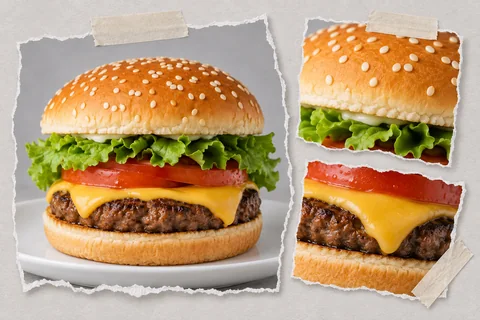
Arrange three deliberate cut photographic fragments of the source into a balanced tactile editorial collage on plain paper.
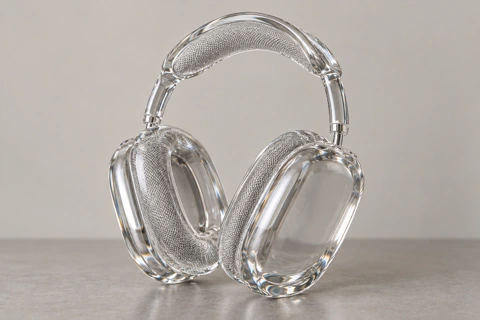
Reimagine the subject as a transparent glass sculpture, with clear edges and refraction.