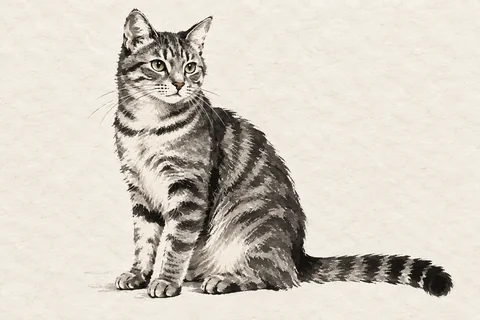
/INK · CHATGPT
Brush ink study
Translate the subject into expressive black brush ink on off-white rice paper.
petspeople
Reprint a portrait as a tactile two-color risograph with subtle ink misregistration.
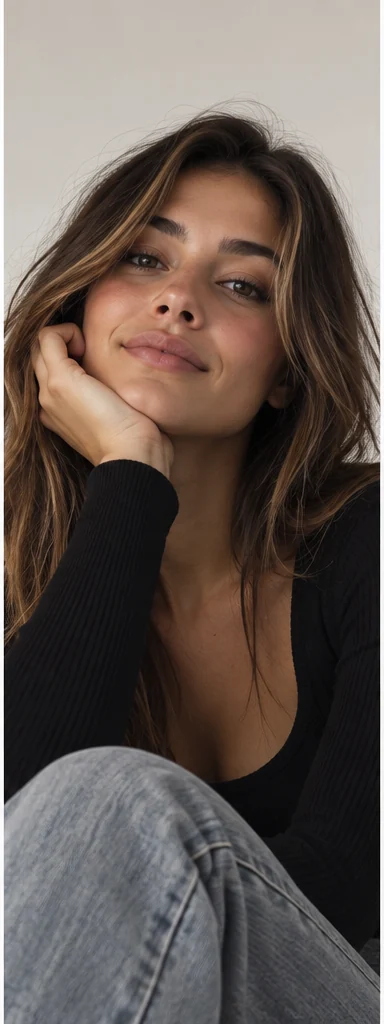
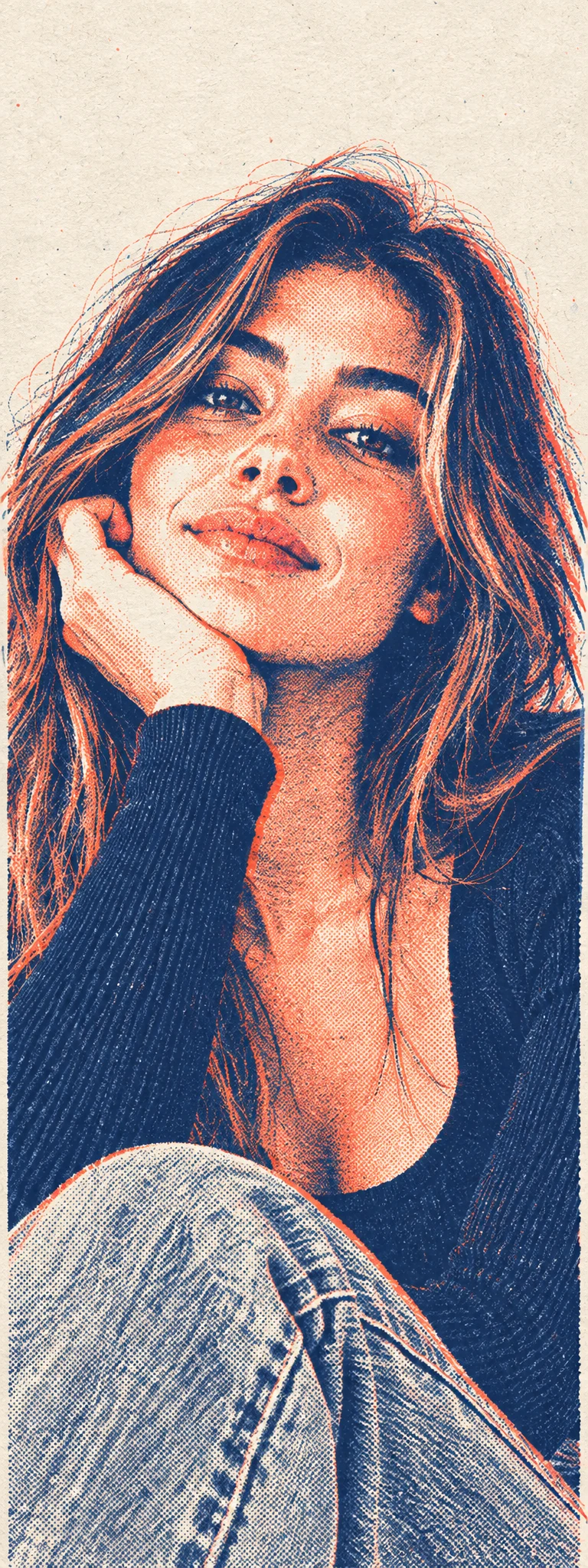
Own AI-edited example using an internal source. One reviewed run; not Verified. The scene or composition changes intentionally; compare identity rather than pixel alignment.
An expressive portrait with an uncluttered outline and visible facial features.
Reprint a portrait as a tactile two-color risograph with subtle ink misregistration.
Preserve the visible subject identity and all details not explicitly changed in the prompt. Ink offset should add print character without doubling the eyes or distorting the face.
A limited set of ink colors and slight registration offsets explain this print aesthetic. Choose broad shapes that can remain readable when the color layers do not align perfectly.
If misregistration doubles the face or lettering, reduce the offset around those details. Grain should vary with ink coverage rather than look like uniform digital noise.
/DUOTONEPORTRAIT — A photographic duotone changes tonal colors without relying on displaced print layers.
These are editing suggestions, not additional test observations. Read the practical guide or use the before/after checklist.
Reprint a portrait as a tactile two-color risograph with subtle ink misregistration. Ink offset should add print character without doubling the eyes or distorting the face.
Input advice and use cases are editorial guidance, not additional test results.
Face, hand, hair and clothing composition remain recognizable. Indigo/coral layers, paper grain, halftones and small registration shifts are visible without doubled facial anatomy.
2026-09-24 · Work built-in image_gen
These notes describe the named runs, which may use a different subject from the comparison above. They do not guarantee results on another input or a future model. See our testing method.