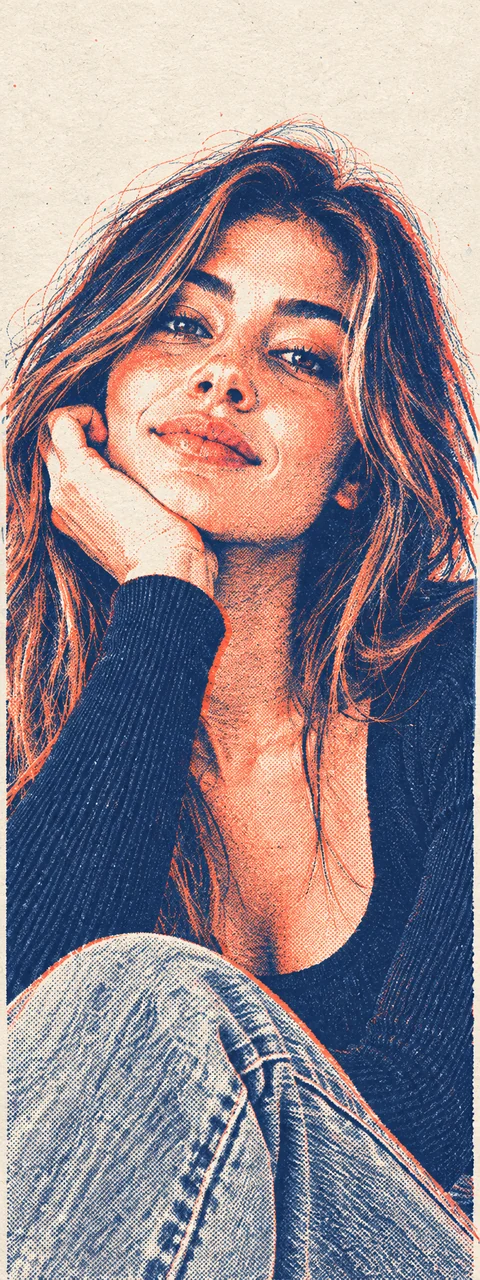
/RISOGRAPH · CHATGPT
Two-ink risograph
Reprint a portrait as a tactile two-color risograph with subtle ink misregistration.
people
Apply a photographic duotone treatment to this exact adult portrait.
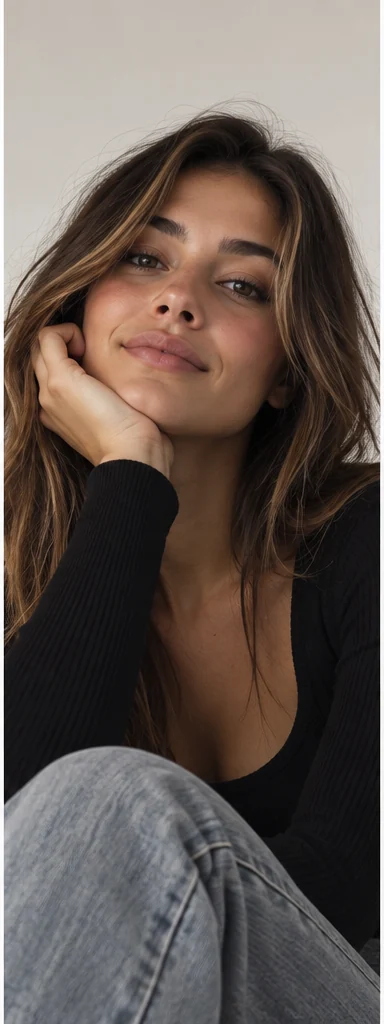
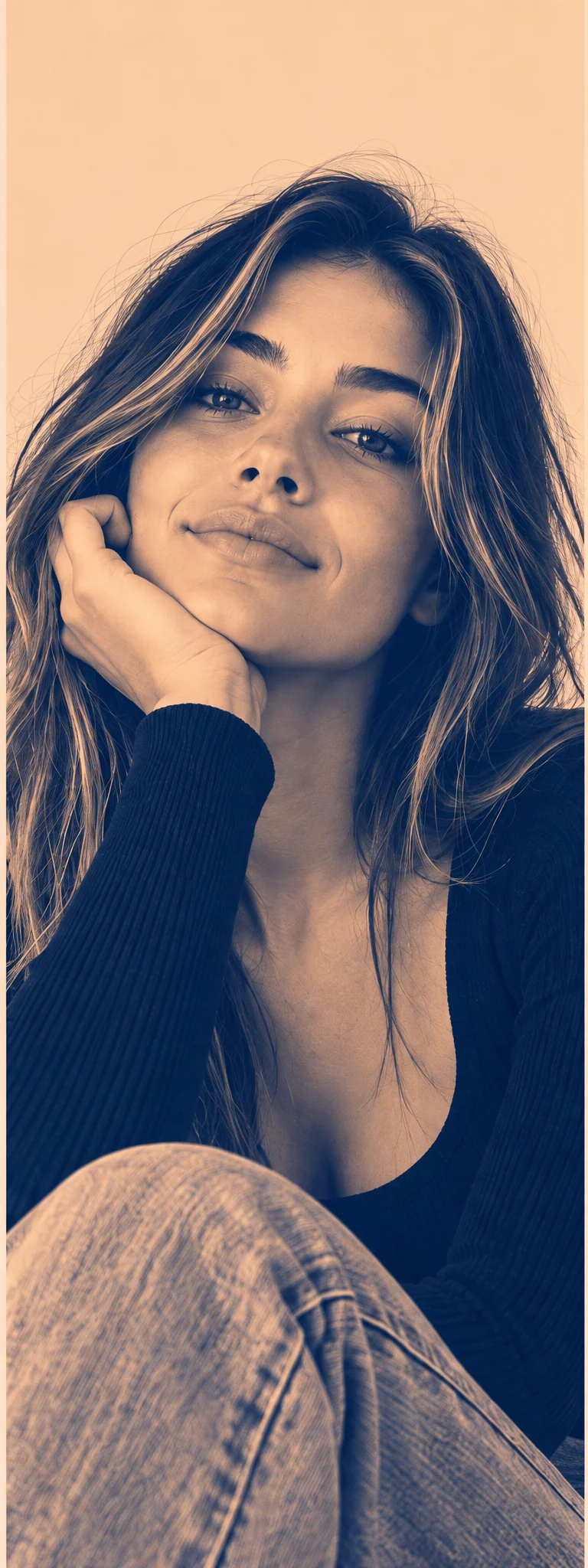
Own image-edit example from the recorded source. One accepted input; not Verified.
A well-exposed close adult portrait with smooth highlights and detailed shadows.
Apply a photographic duotone treatment to this exact adult portrait.
This is continuous-tone duotone; it intentionally differs from misregistered risograph printmaking.
Choose two colors with enough tonal separation to describe the face. A duotone is easier to read when the darker ink carries shadows and the lighter tone supports highlights.
Check eyes and hairline after the color mapping. If facial planes flatten, increase tonal separation rather than adding more colors. Keep skin texture where it contributes to recognition.
/RISOGRAPH — Risograph adds a print-layer character with grain and registration shifts beyond a smooth duotone mapping.
These are editing suggestions, not additional test observations. Read the practical guide or use the before/after checklist.
Apply a photographic duotone treatment to this exact adult portrait. This is continuous-tone duotone; it intentionally differs from misregistered risograph printmaking.
Input advice and use cases are editorial guidance, not additional test results.
Same face, hand, hair, crop and clothing; navy/peach continuous-tone mapping without risograph grain or offset outlines.
2026-09-24 · Work built-in image_gen
These notes describe the named runs, which may use a different subject from the comparison above. They do not guarantee results on another input or a future model. See our testing method.