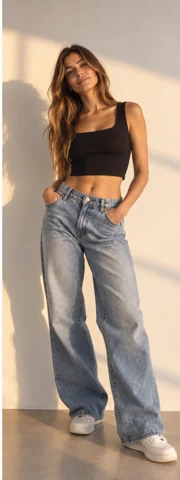
/GOLDEN · CHATGPT
Golden hour
Relight the scene with warm low-angle sunlight and coherent natural shadows.
peoplepets
Give the photograph a restrained vintage film grade, soft contrast and fine grain.


Start with an evenly exposed photograph that has detail in both highlights and shadows.
Give the photograph a restrained vintage film grade, soft contrast and fine grain.
Recognizable identity, silhouette and important visible details. Compare the output to the original before using it.
Decide whether you want a restrained photographic grade or a clearly aged print. Faded blacks, grain and color shifts change the impression without proving that the image was taken in an earlier period.
Inspect faces and fine lettering at normal viewing size. Reduce grain before raising sharpness, which can create crunchy edges. Keep wear away from important details if the image will explain a product rather than evoke an archive.
/POLAROID — An instant-print mockup adds a physical border and paper object, rather than relying only on a vintage color treatment.
These are editing suggestions, not additional test observations. Read the practical guide or use the before/after checklist.
Useful for a restrained film-style grade. Grain and faded contrast should not obscure faces, text or surface detail.
Input advice and use cases are editorial guidance, not additional test results.
Restrained warm film grade and grain, original pose/face/hand preserved. Subtle effect by design; lower video priority.
2026-09-20 · Work built-in image_gen
These notes describe the named runs, which may use a different subject from the comparison above. They do not guarantee results on another input or a future model. See our testing method.
Relight the scene with warm low-angle sunlight and coherent natural shadows.
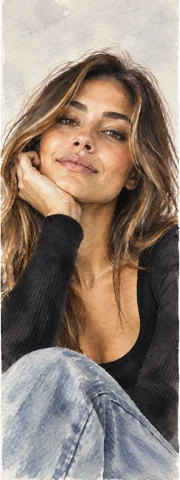
Render the subject in loose watercolor washes with delicate paper texture.
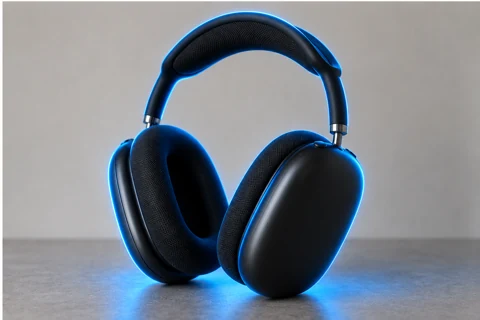
Add electric blue rim lighting while keeping the original scene and readable details.

Place the subject in a cinematic futuristic city, balancing colored light with believable shadows.