
/REFLECTION · CHATGPT
Mirror-floor reflection
Place the unchanged subject on a polished dark reflective floor.
petspeople
Create a clean 2 by 2 contact sheet of the same person with four subtle expressions: neutral, warm smile, thoughtful and pleasantly surprised.


AI-generated illustrative transformation. Source created internally.
Use a clear portrait and keep the same identity across four small expression changes.
Create a clean 2 by 2 contact sheet of the same person with four subtle expressions: neutral, warm smile, thoughtful and pleasantly surprised.
Compare subject count, recognizable identity, proportions and text against the original. Deliberate transformations are described in the prompt.
This contact sheet compares four subtle expressions of the same person: neutral, smiling, thoughtful and pleasantly surprised. The expression should vary while camera, hairstyle, clothing and lighting remain stable.
Compare eye spacing, jawline and garment details in every panel. If each expression becomes a different face, reduce the exaggeration around mouth and eyes. Keep the original available so the most attractive panel does not become the new identity reference.
/COLORWAY — A colorway sheet is a separate comparison format for finish colors, rather than facial expressions.
These are editing suggestions, not additional test observations. Read the practical guide or use the before/after checklist.
Useful for comparing expressions in a 2 by 2 sheet. Inspect each face individually for drift; this is four generated interpretations, not four documentary photos.
Input advice and use cases are editorial guidance, not additional test results.
Four distinct expressions, consistent identity, clean contact sheet.
2026-09-20 · Work built-in image_gen
These notes describe the named runs, which may use a different subject from the comparison above. They do not guarantee results on another input or a future model. See our testing method.
Place the unchanged subject on a polished dark reflective floor.

Create a single high-quality die-cut sticker of the subject, with a crisp white contour border and slight paper thickness on a plain backing.

Show a single printed photograph containing the subject, with one continuous part of the subject extending beyond its torn paper edge into the surrounding space.
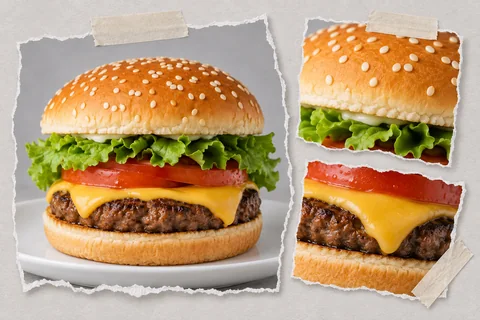
Arrange three deliberate cut photographic fragments of the source into a balanced tactile editorial collage on plain paper.