/COLLAGE · CHATGPT
Editorial photo collage
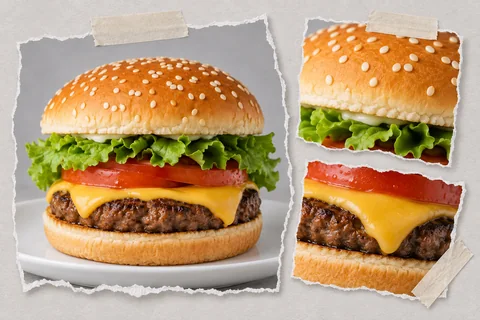
Arrange three deliberate cut photographic fragments of the source into a balanced tactile editorial collage on plain paper.
foodpeople
Build a dimensional portrait collage with torn prints and curled paper edges.
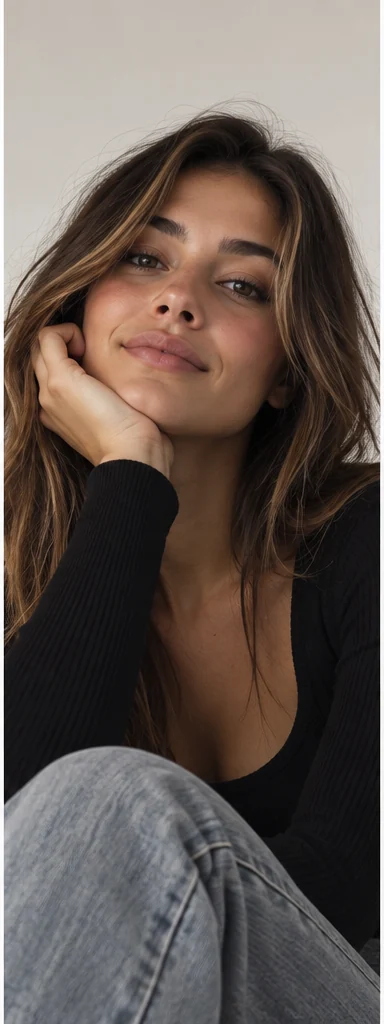
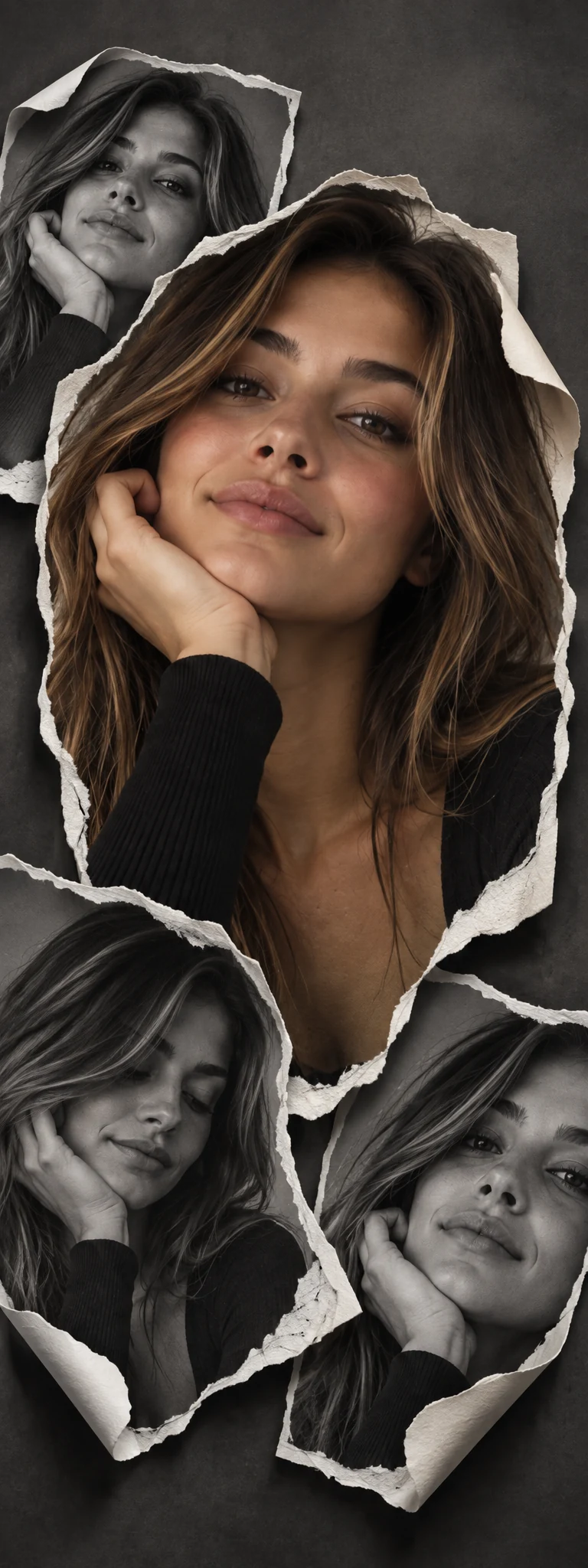
Own AI-edited example using an internal source. One reviewed run; not Verified. The scene or composition changes intentionally; compare identity rather than pixel alignment.
A clear portrait with a visible face and hair outline.
Build a dimensional portrait collage with torn prints and curled paper edges.
Preserve the visible subject identity and all details not explicitly changed in the prompt. Paper edges may slice through the face or repeated fragments may introduce a different person.
A broken-photo illusion needs a visible photographic plane and a subject that crosses it. Keep the tear or break away from the main identity cue so the viewer can still understand the source image.
Check which edges belong to the paper and which belong to the subject. If fragments create duplicate limbs or objects, simplify the opening and use fewer pieces.
/POPFRAME — A clean frame crossing offers a less fragmented way to show depth beyond a picture plane.
These are editing suggestions, not additional test observations. Read the practical guide or use the before/after checklist.
Build a dimensional portrait collage with torn prints and curled paper edges. Paper edges may slice through the face or repeated fragments may introduce a different person.
Input advice and use cases are editorial guidance, not additional test results.
Same face, hair and hand-on-cheek pose remain recognizable. Torn paper has curled edges and cast shadows. Portrait is enlarged intentionally; the shoulder stays mostly within the central print.
2026-09-24 · Work built-in image_gen
These notes describe the named runs, which may use a different subject from the comparison above. They do not guarantee results on another input or a future model. See our testing method.