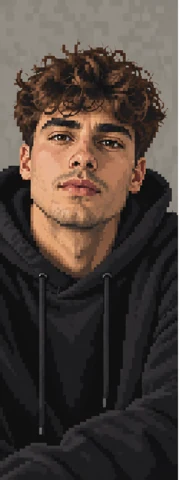
/PIXEL · CHATGPT
Pixel world
Translate the subject into crisp pixel art with a limited palette and legible silhouette.
peoplepets
Make a bold comic illustration with confident ink contours and restrained halftone shading.
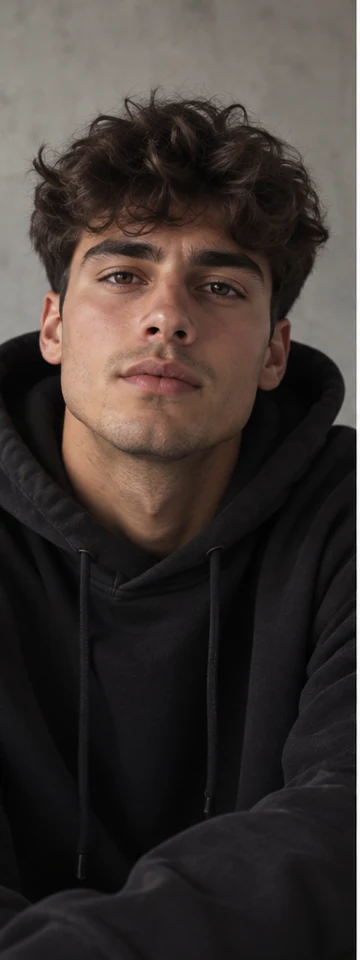
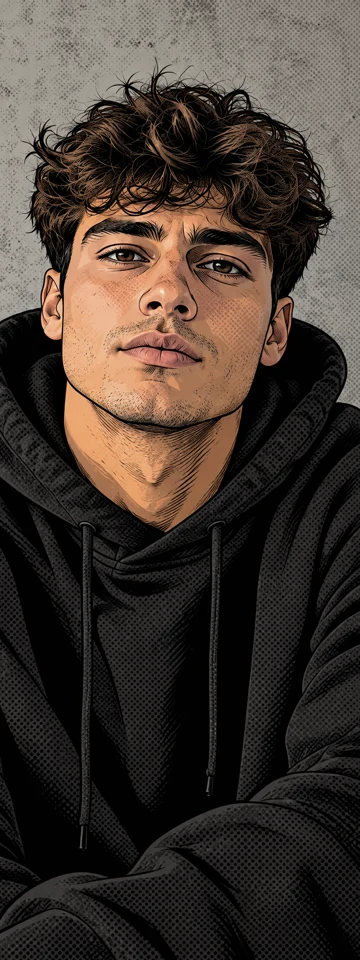
Use clear outlines and separable shadow areas that can become ink and halftone.
Make a bold comic illustration with confident ink contours and restrained halftone shading.
Recognizable identity, silhouette and important visible details. Compare the output to the original before using it.
Strong outlines can organize a busy photograph, but every contour does not need equal thickness. Reserve heavier ink for the silhouette and lighter marks for expressions, seams or product controls.
If crosshatching obscures eyes or labels, remove texture from those regions instead of thinning every line. Keep any speech bubbles separate from the subject and proofread their text. Test a limited palette before adding more panels.
/HALFTONE — Halftone builds tones from dots and can suit a print treatment without the outlined illustration structure of a comic.
These are editing suggestions, not additional test observations. Read the practical guide or use the before/after checklist.
Useful for comic-style illustrations. Check that ink contours describe the subject instead of covering small facial or product details.
Input advice and use cases are editorial guidance, not additional test results.
Ink/halftone visible, face/hair/clothes recognizable, no added captions.
2026-09-20 · Work built-in image_gen
These notes describe the named runs, which may use a different subject from the comparison above. They do not guarantee results on another input or a future model. See our testing method.
Translate the subject into crisp pixel art with a limited palette and legible silhouette.
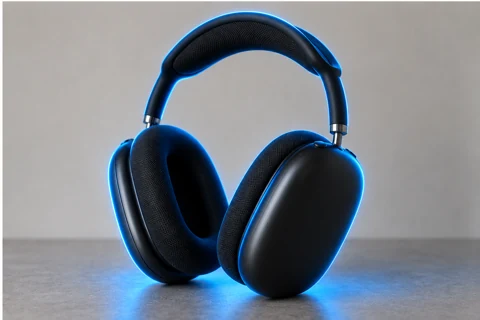
Add electric blue rim lighting while keeping the original scene and readable details.
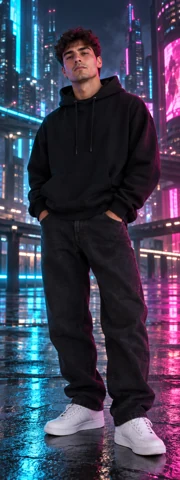
Place the subject in a cinematic futuristic city, balancing colored light with believable shadows.
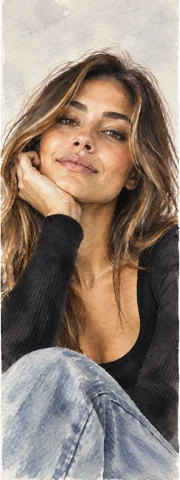
Render the subject in loose watercolor washes with delicate paper texture.